DUCK MERGE 2: How to Progress Faster and Build the Most Efficient Merge Strategy

DUCK MERGE 2: How to Progress Faster and Build the Most Efficient Merge Strategy
Introduction
DUCK MERGE 2 appears simple on the surface. Players combine ducks, unlock upgrades, and expand their growing collection through constant merging. However, beneath its colorful design lies a progression system that rewards planning, efficiency, and long-term optimization far more than random tapping.
Many new players approach the game casually and quickly hit progression walls because they merge inefficiently, waste resources, or expand too aggressively without preparation. As a result, progress slows dramatically, making the game feel repetitive instead of rewarding.
Experienced players understand that the key to success in DUCK MERGE 2 is not simply creating higher-level ducks as quickly as possible. The real challenge lies in building an efficient merge strategy that maximizes growth while minimizing wasted space, currency, and time.
This guide focuses specifically on how to progress faster in DUCK MERGE 2 through efficient merging, resource management, and strategic planning. Rather than discussing the game generally, it explores the systems and habits that create consistent long-term progression.

1. Understanding the Importance of Merge Efficiency
The core mechanic of DUCK MERGE 2 revolves around combining ducks to create stronger versions. However, many players underestimate how important merge timing and board management truly are.
Every merge affects available space, resource flow, and future progression opportunities. Randomly combining ducks whenever possible may create short-term satisfaction, but it often reduces long-term efficiency.
Efficient players treat each merge as part of a larger progression structure. They think several steps ahead, ensuring that every action contributes toward sustainable growth instead of temporary advancement.
2. Avoiding Early-Game Overexpansion
One of the most common mistakes new players make is unlocking or filling too much board space too quickly. While expansion feels rewarding initially, it can create organizational chaos that slows progression later.
A crowded board makes it harder to track merge chains and increases the likelihood of inefficient combinations. Players begin losing valuable opportunities because they no longer control the structure of their progression.
Experienced players expand carefully and deliberately. Instead of maximizing space immediately, they focus on maintaining clean merge paths that improve consistency and efficiency.

3. Building Structured Merge Chains
Strong progression in DUCK MERGE 2 comes from creating organized merge chains rather than reacting randomly to available ducks.
A structured merge chain means preparing multiple combinations in advance so that merges continue smoothly without interruption. This reduces wasted movement and allows higher-tier ducks to appear more consistently.
The difference between average and advanced players often lies in organization. Players who maintain structured boards create momentum, while disorganized players constantly interrupt their own progression.
4. Understanding Currency Management
Currency in DUCK MERGE 2 is more valuable than many players initially realize. Spending resources impulsively can significantly slow long-term progression.
New players often purchase low-value upgrades or temporary boosts that provide immediate gratification but weak scaling potential. These decisions create inefficiency as progression becomes increasingly expensive later.
Efficient players prioritize upgrades that improve overall resource generation. Long-term investment creates exponential growth, allowing future progression to become smoother and faster.
5. Prioritizing Consistency Over Speed
Many players attempt to progress as quickly as possible, constantly rushing merges and upgrades. While this approach may seem productive, it often leads to mistakes and wasted opportunities.
Consistency creates stronger progression than reckless speed. Controlled merges, careful planning, and stable resource management produce smoother long-term results.
The game rewards efficiency more than frantic activity. Players who maintain structure advance more reliably than those who constantly chase immediate upgrades.
6. Managing Limited Board Space Effectively
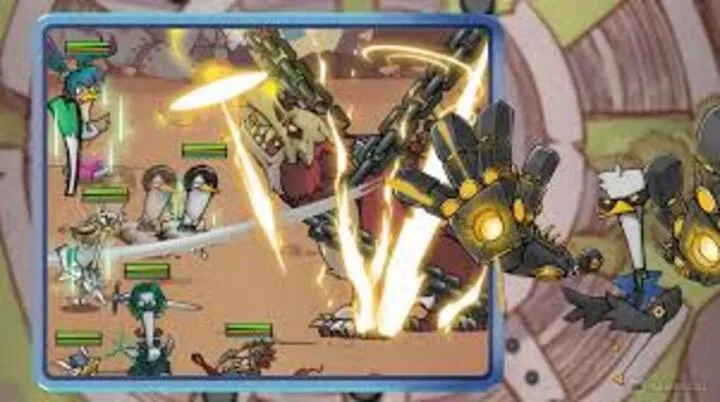
Board space acts as one of the game’s most important hidden resources. Poor space management reduces flexibility and interrupts efficient merge patterns.
Every duck placed on the board should contribute toward a larger progression goal. Random placement creates clutter, making future merges more difficult to organize.
Advanced players mentally divide the board into functional areas. Certain spaces become dedicated to low-level merges, while others are reserved for high-value progression chains. This organization dramatically improves efficiency.
7. Understanding Progression Scaling
As players advance in DUCK MERGE 2, progression naturally slows. Higher-tier ducks require increasingly larger merge investments, making efficient scaling essential.
Many players become frustrated during this stage because they continue using early-game habits that no longer work effectively. Progression at higher levels requires patience and stronger optimization.
Understanding scaling changes player expectations. Instead of chasing constant rapid upgrades, experienced players focus on building systems that support long-term accumulation and steady advancement.
8. Timing Upgrades Strategically
Upgrades in DUCK MERGE 2 can dramatically influence progression speed, but timing matters just as much as the upgrade itself.
Using resources too early may prevent players from accessing stronger scaling opportunities later. Conversely, saving resources excessively can slow momentum unnecessarily.
Strategic timing creates balance. Experienced players recognize when an upgrade will significantly improve efficiency and when patience will provide greater long-term value.
9. Avoiding Common Progression Traps
Several progression traps consistently slow down new players. Overmerging low-value ducks, cluttering the board, and spending currency impulsively are among the most common mistakes.
These problems usually emerge from short-term thinking. Players focus on immediate progression instead of sustainable efficiency, causing gradual instability over time.
Avoiding these traps requires discipline. Players who think ahead maintain smoother progression and experience fewer frustrating slowdowns during later stages.
10. Developing a Long-Term Optimization Mindset
Ultimately, DUCK MERGE 2 is a game about optimization. While merging itself is simple, mastering progression requires strategic thinking and long-term planning.
Experienced players approach the game methodically. Every merge, upgrade, and placement decision serves a broader purpose within their progression system.
This mindset transforms the game from a casual merging experience into a satisfying process of efficiency and growth. Long-term success comes not from rushing but from consistently making intelligent decisions.

Conclusion
Progressing efficiently in DUCK MERGE 2 requires much more than constant merging. The game rewards organization, resource management, structured planning, and long-term optimization. Players who understand these systems create smoother progression paths while avoiding the common mistakes that slow advancement.
By focusing on merge efficiency, board organization, and strategic upgrades, players can significantly accelerate growth without sacrificing stability. DUCK MERGE 2 ultimately proves that even simple mechanics can contain surprising depth when approached thoughtfully and strategically.