



Introduction
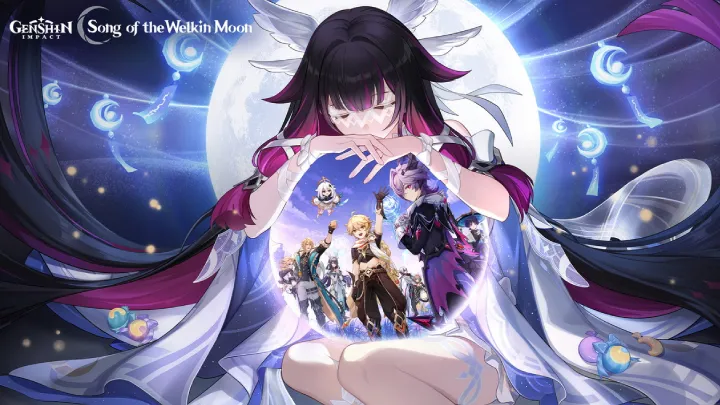
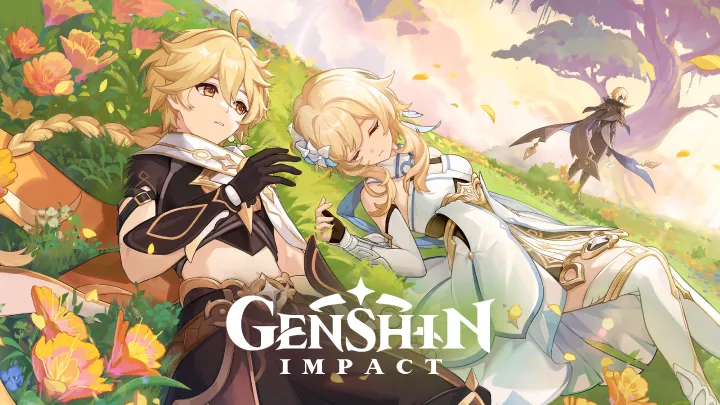
Genshin Impact, developed by miHoYo, has taken the gaming world by storm since its release in September 2020. Combining breathtaking visuals, an expansive open world, and engaging storytelling, the game has captured the hearts of millions. One of the core aspects that fuels its appeal—but also stirs controversy—is its gacha system for acquiring characters and weapons. While the allure of collecting diverse characters and forming the ideal party provides a thrilling experience, the gacha mechanics raise critical issues around fairness, accessibility, and monetization practices. This article will explore the intricacies of Genshin Impact's gacha system, delving into its impact on players, the associated controversies, and the community's response to the game’s monetization strategies.
The Gacha System: An Overview
Understanding Gacha Mechanics
At its core, the gacha system is a game design approach borrowed from Japan, where players spend in-game currency (often purchasable with real money) in hopes of acquiring random items. In Genshin Impact, this translates to "Wishes" where players can obtain new characters and weapons through the game’s gacha mechanics. There are different banners, each offering specific items or characters and having varying rates for obtaining high-value targets.
Types of Wishes in Genshin Impact
There are two primary types of Wishes: Character Event Wish and Weapon Event Wish. Each of these comes with different drop rates for standard and limited-time characters, as well as rarities—often ranging from 3-star to 5-star ratings. The rarity system heavily influences player decisions and strategies, as higher-star characters generally provide stronger abilities and roles in the game.
- Character Event Wish: Features select 5-star and 4-star characters with increased drop rates.
- Weapon Event Wish: Focused on specific weapons, also providing a higher chance for rarer items.
- Standard Wish: Accessible at all times, offering a rotating pool of characters and weapons with lower rates for high-tier items.
The Allure of Characters and Weapons
Emotional Investment and Character Design
One appealing aspect of Genshin Impact's gacha mechanics is the emotional investment players form with characters. Each character comes with a rich backstory, unique abilities, and personal quests, fostering a sense of attachment. Players often feel a strong desire to collect and build their favorite characters, creating a drive to engage with the gacha system.
The Social Aspect of Collecting
Collectively, players often share their adventure building parties filled with their favorite characters, leading to a shared community experience. The thrill of acquiring a new character or weapon is a significant driver of social interaction in forums, social media, and streaming platforms, where players celebrate their achievements and share their gacha pulls.
Challenges in Accessibility
However, acquiring characters through a gacha system can create barriers, particularly for free-to-play (F2P) players. The allure of herculean character-hunting can overshadow the reality that many players may never obtain certain desired characters due to the random nature of gacha. This feeling of inadequacy can foster frustration and disenchantment, especially amongst players who admire character lore and designs but feel excluded from acquiring them.
Monetization in Genshin Impact
The Economics Behind Gacha Mechanics
Genshin Impact operates on a free-to-play model, generating revenue primarily through its gacha system. Players can purchase "Primogems," the currency required to make Wishes. Although players can obtain Primogems through gameplay, the game allows—indeed encourages—players to spend real money to achieve their goals faster. This leads to a conflicting dynamic where players feel the pressure to spend for better odds at collecting characters.
Whales vs. Free-to-Play Players
Within the community, two distinct player types emerge: "whales" who invest substantial sums into the game for a competitive edge, and F2P players who rely on in-game resource management. The disparity between these two groups can lead to friction, where F2P players express discontent about the advantages of whales who can collect more characters and resources.
Ethical Considerations
The monetization mechanism reinforces ethical debates surrounding the gacha model. Critics argue that such systems exploit players by preying on their emotional investment and desire to collect, potentially leading to unhealthy spending habits. Parents may find themselves unwittingly facilitating spending by their children, leading to concerns around impulse purchases.
The Controversies Surrounding Genshin Impact’s Gacha System
Transparency and Drop Rates
One of the primary criticisms of Genshin Impact’s gacha system is the lack of transparency regarding drop rates. While miHoYo has provided some information on character and weapon probabilities, many players argue that the system could be clearer, especially considering the psychological aspect involved in randomized rewards. This obscurity often leads players to spend more than they intend in the hopes of obtaining highly sought-after characters and weapons.
The Pity System
To mitigate the frustration associated with the randomness of gacha mechanics, Genshin Impact employs a "pity system." This system guarantees players a 5-star item after a certain number of unsuccessful pulls. For the Character Event Wish, this is typically after 90 pulls, while for the Weapon Wish, it can be 80. Critics, however, argue that this does not sufficiently address the issues at stake, as players can still experience significant loss before obtaining their desired rewards, leading to disappointment.
Players' Emotional Turmoil
The emotional response to gacha mechanics can be profound. Players often share their tales of triumph or despair, which reflect the highs and lows of luck-based systems. Discussions surrounding the thrill of the pull and the dread of losing can create a culture that normalizes these emotional highs and lows, leading players to question the healthy balance in their gaming experience.
Player Community Response
Celebrating Success Stories
In the Genshin Impact community, players frequently share their "wish pulls," detailing either stunning successes or painful losses. These moments create a sense of camaraderie, where players rally in support during joyous celebrations of new character acquisitions or console each other during the disappointments. Celebrating achievements fosters an inclusive atmosphere, although it can also exacerbate feelings of envy among F2P gamers who have not yet obtained desired characters.
The Emergence of Content Creators
With the increasing prominence of Genshin Impact, many content creators have emerged, providing guides, tips, and gacha wish videos. These creators often frame their opportunities to engage with gacha positively, encouraging their audiences to stay hopeful during their pursuit. However, this can also contribute to unrealistic expectations about the likelihood of obtaining certain characters or weapons, ultimately placing more pressure on players.
Protest Movements and Organized Feedback
In instances where the community feels particularly upset about mechanics like gacha, organized protests or feedback movements have emerged. Players may express dissatisfaction through social media campaigns, leading to spontaneous discussions about future improvements and system changes, incentivizing developers to react to community sentiment.
The Future of Genshin Impact's Gacha System
Adapting Gacha Mechanics
As the game evolves, continuous adaptation to gacha mechanics will be crucial. Developers may need to explore new methods of balancing rewards, providing clearer information regarding drop rates, or implementing more transparent pity systems to maintain player engagement and satisfaction.
Exploring Alternative Revenue Models
Genshin Impact has successfully generated revenue through its gacha mechanics, but as player expectations shift, the potential for alternative monetization strategies could emerge. Future updates may involve exploring battle passes, seasonal events, or one-time purchases for guaranteed characters, offering players more predictable outcomes.
Addressing Community Concerns
To maintain a healthy and engaged community, it is vital for miHoYo to actively address concerns raised by players. Regular updates and channels for player feedback can foster a better relationship between developers and the community, ensuring everyone feels heard and valued.
Conclusion
Genshin Impact's gacha system encompasses a complex interplay of allure, frustration, emotional investment, and community response. While the game offers incredible visuals and characters that captivate players, the mechanics that govern how they acquire these aspects can lead to significant debates regarding fairness and accessibility.
To ensure the longevity and success of Genshin Impact, the development team must balance player interests with monetization strategies while also refining their approach to gacha mechanics. As the game evolves, fostering an inclusive community where players feel empowered to share experiences is crucial. Ultimately, the future of Genshin Impact will depend on the ability of developers to navigate the fine line between engaging players and respecting their emotional investment.