




Terra Nil is a reverse citybuilder that challenges you to restore a barren wasteland into a vibrant, balanced ecosystem. Instead of building cities, you undo the damage of civilization by reviving soil, water, plants, animals, and renewable energy. The game rewards smart planning, careful resource management, and environmental awareness. This guide will show you step by step how to play Terra Nil effectively, from the basics to advanced strategies, so you can rebuild nature in every biome.
Terra Nil requires patience and thoughtful decision making. Every structure you place affects the landscape and your remaining resources. Because of that, learning how each stage works and how to optimize your layout is crucial. This guide provides a clear and structured how to approach to help you progress through the restoration process smoothly.
Use this as your complete learning path to understand the mechanics, plan efficiently, and rebuild thriving natural habitats.
Understanding the Core Gameplay Loop
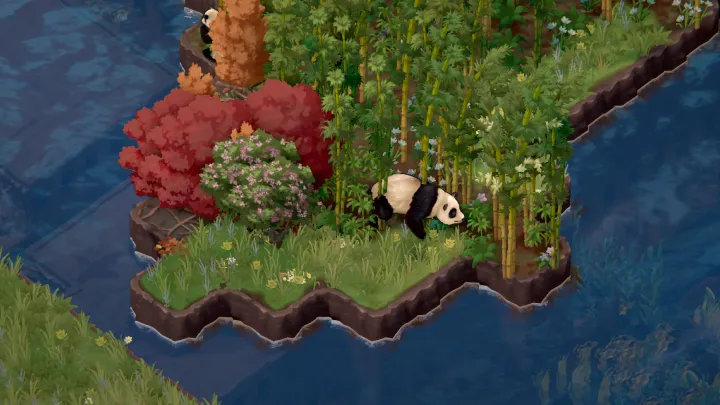
Terra Nil follows a unique three phase cycle. First, you rehabilitate soil and terrain. Next, you introduce biomes and wildlife. Finally, you recycle everything you built and leave the land untouched. This loop is the heart of the game, teaching you how to build for temporary utility rather than permanent expansion.
Once you understand this philosophy, every structure choice becomes more meaningful. Instead of expansion, you focus on balance and efficiency. The game invites you to think creatively and approach the environment as a puzzleboard rather than a battlefield. Mastering the loop is essential for every biome.
Restoring Soil and Water the First Step
Your journey always begins on a barren map with cracked earth and dead rivers. To start healing the land, you place wind turbines to generate power, toxin scrubbers to clean soil, and irrigators to create greenery. These buildings work together, so placement matters greatly.
Water restoration is equally important. Some maps contain dried riverbeds that can be revived using excavators. With water flowing again, the land naturally becomes easier to enrich. Early mistakes can be costly, so carefully placing power sources and scrubbers will give you a strong start.
Building Efficient Energy Networks
Power is the backbone of all restoration activities. Wind turbines are your first power source, but they must be placed on elevated tiles and spaced apart. This means your early game is shaped heavily by terrain. You must identify high ground quickly and plan your network.
As you progress, you can use advanced structures like solar panels or geothermal turbines depending on the biome. Efficient energy management ensures you spend fewer resources and maximize green coverage. Planning your power grid before building anything else is one of the most valuable habits you can develop.
Developing Healthy Biomes
Once the land is green and water is restored, the next objective is to create specific biomes. These include forests, wetlands, meadows, and more. Each biome requires unique conditions. For example, forests need trees and controlled burns, while wetlands need nutrient rich soil and water adjacency.
Introducing multiple biomes ensures ecological diversity. You must balance the needs of each biome type without destroying what you previously built. Terra Nil is a careful dance of adding and transforming terrain while maintaining harmony. If you can create every required biome, you successfully complete the second phase.
Unlocking and Managing Wildlife
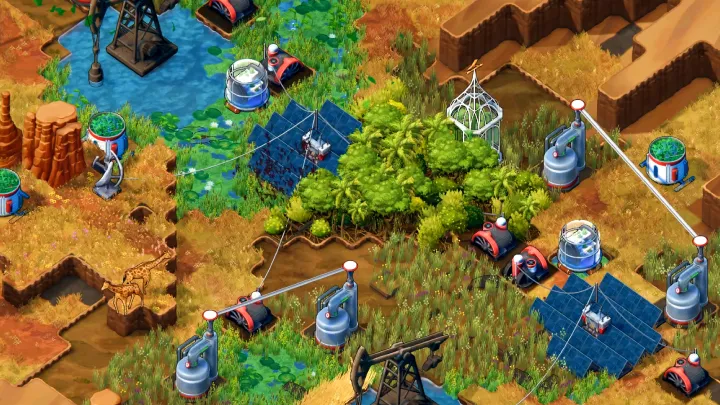
With biomes established, the next challenge is attracting wildlife. Animals appear only when environmental conditions match their habitat requirements. Some species need large forests, others need wetlands, and some require high ground or beaches.
Finding these species becomes a puzzle. You scan the landscape to identify potential habitats and adjust the environment accordingly. Adding the right animals is not just optional but necessary to complete each region. This step adds personality and emotion to the world as nature visibly returns to life.
Recycling and Leaving Nothing Behind
Terra Nil has a powerful final requirement. You must recycle every machine you placed and remove all traces of human intervention. This phase involves using recycling drones, recycling centers, and river barges to collect materials. Your final goal is to leave a pristine wilderness behind.
This cleanup phase forces you to think ahead. Every building must be reachable, and every power source must eventually disappear. If planned poorly, you may trap buildings or cut off access, making the level impossible to finish. Strategic layout ensures a clean and successful evacuation.
Biome Specific Strategies for Success
Each Terra Nil region introduces new rules and terrain features. For example, the temperate region uses rivers and forests, while volcanic regions feature lava flows and geothermal vents. Some biomes require cooling volcanic rock, while others require spreading coral reefs in oceanic environments.
Understanding the strengths and limitations of each biome will help you adapt your strategy. Instead of applying the same method everywhere, study the environment and use its natural features. This flexibility separates beginner players from experts.
Advanced Techniques for Efficient Planning
To excel at Terra Nil, efficiency is key. Try to chain buildings so they support one another, such as placing irrigators near rivers for larger coverage. Create long term plans before committing resources. Use elevated areas for power and reserve lowland for crop and water structures.
Another advanced technique is optimizing burn patterns when creating forests. Controlled burning removes dry brush and creates fertile ash for growing trees. The secret is to create safe burn boundaries so fire does not spread uncontrollably. Mastery of these techniques creates stronger, more stable ecosystems.
Common Mistakes and How to Avoid Them
One common mistake is placing too many buildings early, wasting resources and space. Instead, use minimal structures with maximum coverage. Another mistake is failing to consider the recycling phase while building. Trapped turbines or inaccessible scrubbers can ruin your endgame.
Resource mismanagement is another major issue. Overspending on irrigation or building too many power sources can leave you unable to finish later stages. Always evaluate your resource bar and aim for the most efficient structure placement.
Conclusion
Terra Nil is a beautifully designed puzzle that combines creativity, environmental stewardship, and strategic thinking. Learning how to restore ecosystems step by step allows you to appreciate the complexity of nature. With patience and planning, you can convert wastelands into thriving natural landscapes full of life.
By following the methods in this guide, understanding the phases, and practicing biome specific strategies, you will develop the skills needed to complete every region. Terra Nil rewards thoughtful choices, and once you master its systems, each restoration becomes a deeply satisfying experience.
Summary
A complete guide to mastering Terra Nil with step by step methods for restoring land, building biomes, attracting wildlife, and recycling efficiently.