How to Play Venba A Complete Guide to Mastering the Cooking and Storytelling Experience
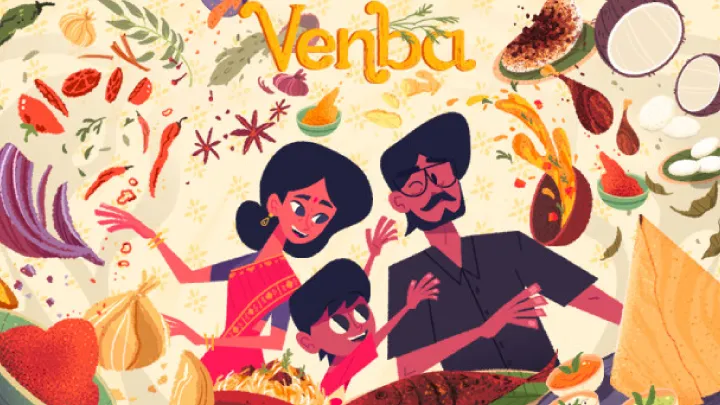
Venba is a narrative cooking game that blends emotional storytelling with traditional South Indian recipes. Players take the role of Venba, a mother rebuilding her life in Canada while raising her son and reconnecting with her cultural roots. The gameplay revolves around solving cooking puzzles, restoring old family recipes, and progressing through a heartfelt story about identity, family, and food. Learning how the mechanics work will help you enjoy both the culinary and emotional depth of the game.
This guide shows you how to understand Venbas gameplay, complete recipes efficiently, enjoy the story flow, and master the puzzles. Whether you are new to this style of narrative cooking game or simply want to approach it strategically, this walkthrough will teach you how to get the most out of Venba.
Use this article to learn everything from basic controls to advanced puzzle solving so you can appreciate the full emotional and cultural journey of the game.
Understanding the Gameplay Structure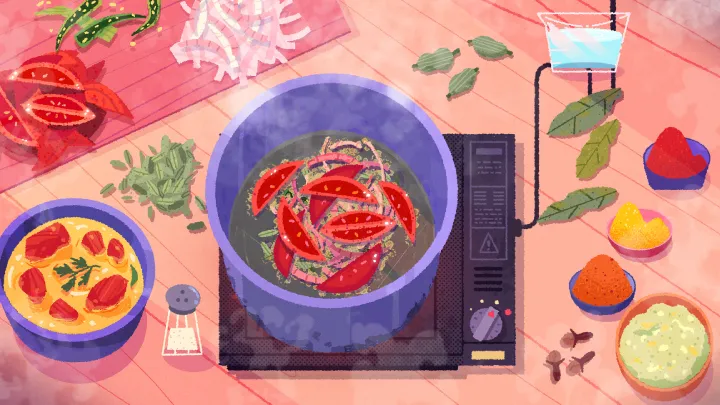
Venba is not a traditional cooking simulator. Instead, it uses cooking as a storytelling mechanic. Each chapter revolves around a dish, and the player must restore a recipe book that has missing pages, torn instructions, or confusing diagrams. The challenge comes from interpreting clues, listening to dialogue, and understanding the cultural context of each dish.
The story progresses linearly, so you cannot fail a level permanently. This makes the game accessible, focusing on immersion rather than difficulty. Your primary job is to interpret hints and complete each cooking process accurately. Once you understand this structure, the game becomes a relaxing and emotionally rich experience.
Learning the Basics of Cooking Interactions
Cooking interactions in Venba involve dragging, flipping, heating, grinding, and assembling ingredients. You do not need to memorize complex sequences, but you must pay close attention to visual clues and recipe notes. Players can rotate pots, adjust heat levels, and experiment without penalty.
The game teaches you through repetition and context. For instance, if you need to steam idlis, you will follow steps involving batter preparation, tray placement, and heat timing. Each action is a small puzzle, and you must observe feedback from the pot or pan. Understanding these basics will prepare you for more complex recipes later in the story.
How to Use Clues in the Recipe Book
One of Venbas central mechanics is interpreting clues from a damaged recipe book. Pages may have stains, missing lines, or unclear instructions. Your ability to decipher them determines your success. To improve this skill, focus on keywords, cultural references, and visual diagrams.
Sometimes the solution requires combining two different clues. For example, a partial picture of a pot might show the angle of pouring, while a missing instruction hints at ingredient order. Always read character dialogue, as Venba or her husband often provide subtle hints during conversation. Treat the recipe book as a puzzle and approach it patiently.
Mastering Heat Control and Cooking Timing
Heat control is one of the most important mechanics in Venba. Many recipes depend on cooking something lightly or for a precise amount of time. For instance, making dosa batter requires cooking until golden but not burnt. Watching color changes and listening for audio cues is essential.
Timing is equally important. Ingredients may need to rest, steam, or simmer. Overstepping these sequences can interrupt the puzzle flow, requiring you to redo a step. To master heat and timing, practice observing visual changes closely. The game rewards players who stay attentive to the food rather than rushing through actions.
Solving Multi Step Recipes
Some dishes in Venba require multiple steps, such as grinding spices, layering mixtures, or prepping side components. These complex recipes are where the challenge grows. To succeed, break every sequence into clear parts. Start by identifying the base step, then follow the logical order, and finally combine the components.
Most multi step dishes use a mix of mechanical steps and clues. For example, preparing biryani may require marinating ingredients, sautéing onions, steaming rice, and layering in the correct pattern. Learning to slow down and analyze each step ensures smoother progression and reduces repeated attempts.
Interpreting Cultural Context to Solve Puzzles

A unique aspect of Venba is that many cooking puzzles reference Tamil culture. Certain dishes follow traditional patterns that may not be explained explicitly. Understanding these cultural hints can help solve puzzles faster. For example, knowing that dosa batter must ferment overnight or that puttu requires layered coconut can clarify steps the book does not spell out.
If you are unfamiliar with South Indian cuisine, consider the game an opportunity to learn. Observing Venbas conversations with her family provides context. The game subtly teaches you cultural logic so you can solve puzzles naturally. This blend of story and mechanics enriches the experience and deepens gameplay understanding.
Following the Emotional Story Flow
Venba is as much a story as it is a cooking game. The emotional beats progress chapter by chapter, revealing Venbas struggles, cultural identity, relationship with her husband, and her growing bond with her son. Understanding how the story flows helps you appreciate why each recipe matters.
Each dish connects to a memory or significant moment. Cooking becomes symbolism, representing love, sacrifice, heritage, and resilience. To make the most of the game, immerse yourself in dialogue, listen to character tones, and let the emotional journey guide your interactions. This makes the gameplay more meaningful and connected.
How to Pay Attention to Environmental and Audio Cues
Venba uses sound and environmental details to guide the player. The sizzle of oil, the bubbling of a pot, or the click of a steamer are signals telling you what to do next. Paying attention to these cues makes puzzles much easier. For example, when grinding spices, you may hear a change in sound indicating that the mixture is smooth.
Environmental cues include steam patterns, color shifts, and ingredient textures. The more you observe, the better you perform. Treat each cooking scene as a sensory experience. The combination of audio and visual feedback replaces written instructions and becomes the heart of the games design language.
Tips for Completing Every Chapter Successfully
To master every chapter in Venba, consider adopting a few effective habits.
These include:
Study every clue before acting
Watch every color and texture change
Use mistakes as learning opportunities
Be patient and experiment freely
These habits improve consistency and reduce errors. Another tip is to listen closely to character dialogue. Characters often mention cultural shortcuts or cooking memories that hint at what you must do next. With these practices, you can complete each level smoothly and enjoy the full story.
Conclusion
Venba is a heartfelt and unique experience that blends cooking puzzles with emotional storytelling. The gameplay teaches you through cultural clues, sensory feedback, and thoughtful recipe design. By mastering observation, heat control, timing, and clue interpretation, you can fully appreciate the depth of each chapter.
This guide has shown how to navigate the worlds cooking challenges and emotional journey with confidence. As you progress, you will understand how food connects family, memory, and identity. Playing Venba with patience and attention will reward you with a rich and meaningful narrative unlike any other game.
Summary
A complete guide to playing Venba by mastering clues, timing, heat control, and cultural context while experiencing its emotional cooking based narrative.