.webp)








Dead Space is a landmark in survival horror, combining atmospheric tension, strategic combat and resource scarcity to create a deeply unsettling experience. Set aboard the abandoned USG Ishimura, you must confront Necromorphs, solve engineering problems and uncover a terrifying mystery while trying to stay alive. Unlike traditional shooters, Dead Space demands precision, patience and tactical thinking. You cannot simply fire blindly and expect to survive. Instead, you must manage your equipment carefully, learn enemy behavior patterns and use the environment to your advantage.
This guide provides a detailed step by step approach to mastering Dead Space. With ten core sections arranged in logical order, the article covers everything from movement and aiming to resource management, puzzles, weapons, upgrades and boss encounters. Whether you are new to the series or exploring the remake, these strategies will help you progress through the Ishimura more confidently and efficiently. By the end, you will know exactly how to handle every challenge the game presents.
Introduction To The Core Mechanics Of Dead Space
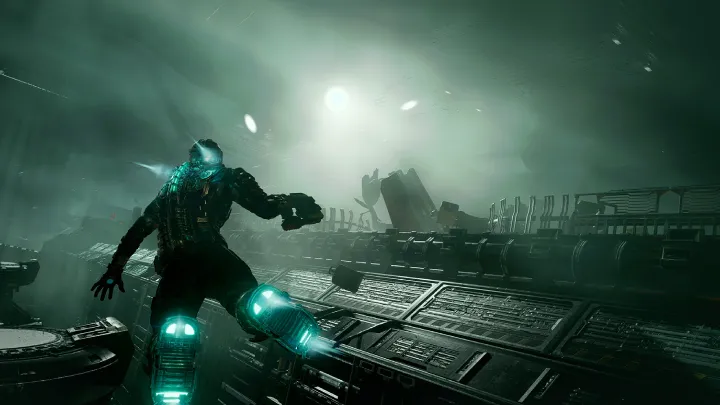
To survive Dead Space, you must first understand its essential mechanics. One of the most important systems is strategic dismemberment. Enemies in this game do not die from traditional headshots. Instead, you must cut off their limbs to remove their ability to move or attack effectively. Recognizing this mechanic early will determine your success in every encounter. Viewing combat through the lens of dismemberment changes the way you aim and evaluate threats.
Another core mechanic is environmental awareness. The Ishimura is filled with dark corners, tight corridors, malfunctioning machinery and unpredictable hazards. Listening closely to audio cues and checking your surroundings carefully is critical. Necromorphs frequently ambush players from vents or blind spots, so staying alert reduces the chance of sudden damage. The more aware you are of the environment, the fewer resources you waste.
How To Prepare For Your First Playthrough
Before you begin your first journey through the Ishimura, you should adjust your settings for optimal performance. Sensitivity, brightness and audio balance all influence your ability to detect enemies and aim effectively. The game relies heavily on sound design. Using good headphones or raising the audio level helps you hear movement, growls and environmental warnings.
You should also study the interface, including the holographic inventory and health indicators on Isaac’s suit. Dead Space does not pause the environment when you open your inventory, which means enemies can attack you during item management. Learn to organize items quickly and respond without panicking. Familiarizing yourself with these elements early gives you a significant advantage.
How To Navigate The Ishimura Safely
Moving through the Ishimura requires caution, patience and strategic planning. Always enter new rooms slowly and keep your weapon aimed forward. Necromorphs rarely attack from the front. Most will emerge from vents, ceilings or behind you. Turning your camera frequently helps prevent ambushes. To reduce risk, make a habit of clearing corners before exploring open areas.
Pay attention to vent covers and suspicious gaps in the walls. These often indicate enemy entry points. Some sections of the ship also contain traps such as malfunctioning doors or loose machinery. Listening for mechanical sounds helps you time your movement. The Ishimura is alive in its own way, and treating its environment as an active threat is essential to survival.
How To Conserve Ammo And Resources
Dead Space is built around scarcity. Ammunition and healing items are limited, and wasting them can make later chapters extremely difficult. To conserve resources, focus on limb targeting. Cutting off an arm or leg usually stops an enemy faster than unloading several rounds into its body. Aim deliberately, and do not shoot unless necessary.
Another important technique is using the Stasis and Kinesis modules. Stasis slows enemies, giving you more time to aim for limbs and avoid damage. Kinesis allows you to pick up sharp objects and impale enemies without spending ammo. Learning to rely on these tools instead of shooting constantly helps you stretch your supplies much further. Smart resource management becomes your greatest survival skill.
How To Choose And Upgrade The Best Weapons
Dead Space offers multiple weapons, but you do not need to upgrade all of them. Selecting a small set of core weapons allows you to use your resources efficiently. The Plasma Cutter is the most versatile and reliable weapon in the game. Its precision and ability to rotate the firing line make it perfect for dismemberment. Many experienced players complete the entire game with it alone.
Other strong choices include the Line Gun for wide beam attacks, the Force Gun for crowd control and the Contact Beam for high damage bursts. When upgrading, focus first on damage and capacity to maximize combat performance. A fully upgraded weapon can change entire fights. Avoid spending nodes on irrelevant paths unless they unlock important improvements. Planning your upgrades carefully ensures you stay strong for the toughest chapters.
How To Solve Puzzles And Use Your Engineering Tools
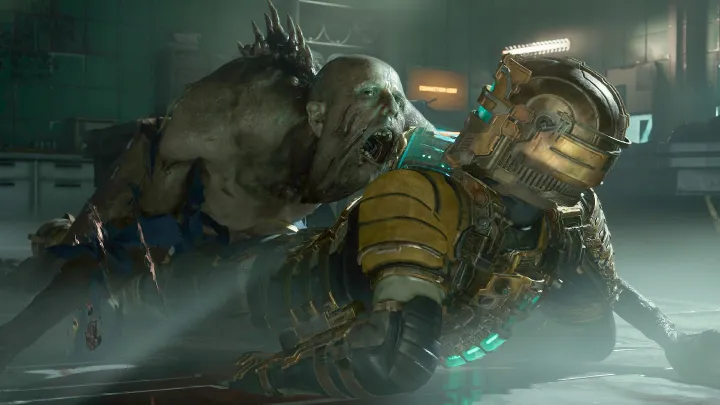
The puzzles in Dead Space are integrated into the ship’s engineering systems. Solving them requires logical thinking and proper use of your tools. Stasis is often essential for slowing malfunctioning machinery or timing moving obstacles. Kinesis is required for repositioning objects, powering circuits or triggering switches. Understanding these systems prepares you for the more complex tasks later in the game.
Environmental storytelling also plays a role in puzzle solving. Many puzzles contain hints in audio logs, visual markings or crew notes scattered across rooms. Paying attention to these clues prevents unnecessary trial and error. The game expects you to observe your surroundings carefully. With practice, puzzles become smoother and more intuitive.
How To Fight Necromorphs And Handle Different Enemy Types
Necromorphs come in a variety of forms, each requiring a different approach. Understanding their behaviors helps you respond effectively. Standard Slashers attack directly and are vulnerable to limb shots. Leapers move quickly and can close distance rapidly, making Stasis extremely useful for slowing them down. Pregnants and Exploders must be handled carefully because they can deal massive damage if hit incorrectly.
Later in the game, armored or enhanced Necromorphs appear, requiring more precise shots or stronger weapons. Some enemies regenerate limbs or resist damage unless targeted properly. In crowd situations, try to isolate enemies or funnel them through narrow paths. Fighting multiple enemies at once increases the risk of getting overwhelmed. Control the battlefield and do not allow enemies to surround you.
How To Handle Zero Gravity And Vacuum Sections
Zero gravity and vacuum areas introduce additional challenges. In zero gravity, orientation becomes disorienting. Make deliberate jumps and check your surroundings before landing. Enemies may attack from any direction, so staying calm is critical. Practice moving in short, controlled leaps instead of long unpredictable ones.
Vacuum sections reduce your oxygen supply, adding time pressure. Do not panic. Look for oxygen refill stations and move efficiently through corridors. Sometimes enemies hide in vacuum zones, so manage your oxygen while staying alert. Using Stasis can buy you precious seconds to escape danger or reposition.
How To Survive Boss Battles And Major Encounters
Bosses in Dead Space are designed to test your mastery of the game’s mechanics. Each boss has specific weak points that you must target consistently. The key is patience. Do not rush your shots or fire wildly. Wait for the weak point to expose itself, use Stasis strategically and stay mobile to avoid heavy attacks.
Boss arenas often provide environmental tools such as explosive canisters or sharp debris for Kinesis attacks. Using these tools saves ammo and speeds up the fight. Learn the timing of boss attacks and avoid tunnel vision. With the right strategy, even the most intimidating encounters become manageable.
How To Prepare For The Final Chapters And Complete The Game
The final chapters of Dead Space increase enemy aggression and resource scarcity. Before entering these final areas, upgrade your key weapons, expand your inventory and ensure you have enough healing items. Late game enemies are faster, stronger and more unpredictable, requiring quick reactions and precise aiming.
As you approach the finale, rely heavily on everything you have learned. Movement, dismemberment, resource conservation and environmental awareness all become critical. Completing the game requires mental discipline as much as mechanical skill. The final boss and closing sections reward players who remain patient, calm and focused.
Conclusion
Dead Space remains one of the greatest survival horror games ever made because it forces players to think strategically, react carefully and manage resources intelligently. Every encounter is a test of discipline, awareness and decision making. Learning how to master limb targeting, use engineering tools, conserve ammo, navigate the Ishimura and confront terrifying creatures transforms the experience from chaotic to controlled.
By applying the techniques outlined in this guide, you can enter every chapter of Dead Space with confidence. Whether you are playing the original or the remake, the core principles remain the same. Adapt, stay alert and use every tool at your disposal. Survival is not guaranteed, but skill and preparation greatly increase your chances of escaping the nightmare.
Summary
A complete how to guide for surviving Dead Space including combat tips, dismemberment, resource management, puzzles, zero gravity and boss strategies.