






Mecha Break is a high-speed multiplayer mech combat game that emphasizes aerial mobility, squad coordination, and precise mechanical control. Unlike traditional shooter games, Mecha Break blends action combat with tactical decision-making, where positioning and timing often matter more than raw firepower.
This Tips & Guides article is structured as a progression path, guiding players from understanding core mechanics to mastering advanced competitive strategies. Whether you are a new pilot or an experienced player, these insights will help you perform more effectively on the battlefield.
1. Understanding Mecha Break Core Gameplay Mechanics
Mecha Break revolves around fast-paced mech combat where vertical movement and momentum play a critical role. Unlike grounded mech games, players are constantly boosting, hovering, and repositioning in three-dimensional space.
Understanding energy management, movement inertia, and weapon cooldowns is essential. Pilots who mismanage boost energy often find themselves exposed and unable to escape enemy fire.
Core Mechanics to Learn
- Boost consumption and recovery timing
- Hovering versus short-burst movement
- Weapon heat and reload management
2. Choosing the Right Mech for Your Playstyle
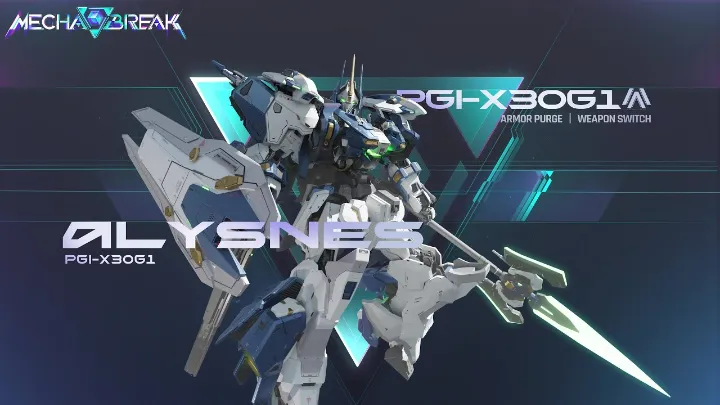
Each mech in Mecha Break is designed with a distinct combat role. Some excel in close-range burst damage, while others specialize in long-range pressure or defensive support.
New players should avoid choosing mechs solely based on damage output. Survivability, mobility, and ease of control often matter more in real matches.
Common Mech Roles
- Assault mechs for aggressive frontline play
- Skirmish mechs for mobility and harassment
- Support mechs for shielding and control
3. Mastering Movement and Boost Control
Movement is the foundation of success in Mecha Break. Pilots who stand still or move predictably become easy targets.
Effective movement requires mixing short boosts, directional changes, and altitude shifts. Conserving boost energy ensures you always have an escape option.
Movement Tips
- Use short boost taps instead of long boosts
- Change altitude frequently during combat
- Never drain boost energy completely
4. Combat Fundamentals and Weapon Usage
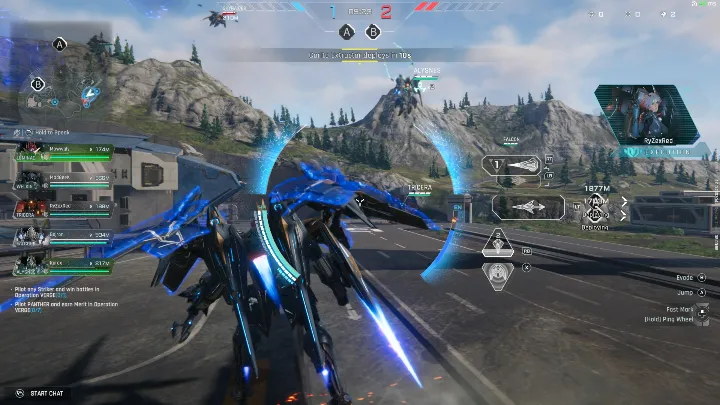
Weapons in Mecha Break vary widely in range, tracking, and damage behavior. Some weapons punish stationary targets, while others reward predictive aiming.
Learning when to engage and when to disengage is just as important as aiming accuracy. Overcommitting often leads to quick destruction.
Weapon Usage Tips
- Match weapon range to your engagement distance
- Fire in controlled bursts when possible
- Track enemy movement patterns
5. Defensive Play and Damage Avoidance
Survival in Mecha Break depends heavily on avoiding damage rather than tanking it. Even heavy mechs can fall quickly under focused fire.
Smart defensive play involves positioning, shield usage, and awareness of enemy cooldowns. Retreating at the right time is a skill, not a weakness.
Defensive Fundamentals
- Break line of sight when shields are down
- Use terrain for cover during cooldowns
- Do not hover in predictable paths
6. Team Coordination and Squad Roles
Mecha Break is built around team-based combat. Lone players who ignore squad coordination are at a significant disadvantage.
Teams that assign clear roles and communicate effectively control objectives more consistently and survive longer engagements.
Effective Team Play
- Focus fire on priority targets
- Protect support mechs
- Rotate frontline pressure

7. Map Awareness and Positioning Strategy
Maps in Mecha Break are designed with vertical layers, open zones, and choke points. Knowing where to fight is often more important than how well you aim.
Good positioning allows you to attack safely while limiting enemy angles of fire.
Positioning Tips
- Control high ground when possible
- Avoid open areas without escape routes
- Learn common ambush paths
8. Objective Control and Match Flow
Winning matches requires more than eliminations. Objectives often determine match outcomes, especially in ranked play.
Understanding when to push objectives and when to defend is crucial for maintaining momentum.
Objective Strategy
- Secure objectives after winning fights
- Delay enemies instead of chasing kills
- Time pushes with team respawns
9. Customization, Loadouts, and Optimization
Customization in Mecha Break allows players to tailor performance to their strengths. Poorly optimized loadouts can severely limit a mech’s effectiveness.
Experimenting with modules and weapons helps you find the most consistent setup.
Loadout Optimization Tips
- Balance mobility and firepower
- Avoid stacking redundant upgrades
- Adjust loadouts based on map type

10. Advanced Tips for Competitive and Ranked Play
At higher levels, success depends on anticipation, mental discipline, and adaptation. Skilled players read enemy behavior and adjust tactics mid-match.
Consistency and self-analysis separate average pilots from top-tier competitors.
Competitive Habits
- Review lost matches for mistakes
- Adapt to enemy compositions
- Stay calm under pressure
Conclusion
Mecha Break is a game that rewards precision, awareness, and teamwork. Mastering its systems requires patience and a willingness to learn from every match.
By applying these tips and guides, players can steadily improve their performance, contribute more effectively to their team, and fully experience the depth of Mecha Break’s combat system.
Mecha Break tips and guides covering mech selection, movement, combat, team play, and advanced strategies to help pilots improve at every level.