.webp)







Introduction
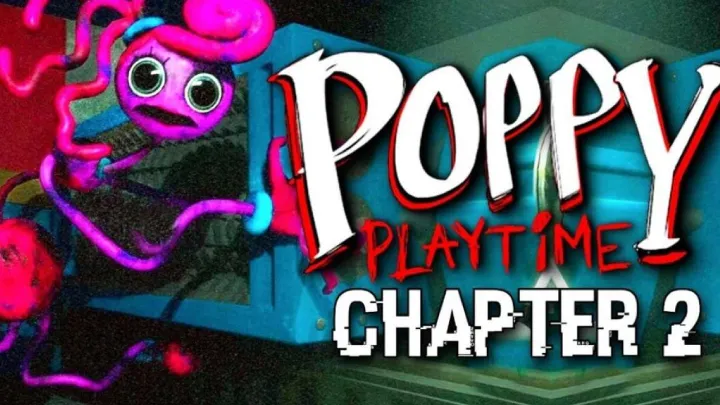
Poppy Playtime 2 is more than a simple horror adventure; it is a puzzle-intensive survival experience filled with hidden mechanics, unpredictable enemies, and environmental traps that require careful observation. Many players struggle not because the game is extremely difficult, but because its systems obscure deeper patterns that only become clear through experimentation.
This comprehensive Tips & Guide article breaks down the core techniques, strategic routes, and mastery principles that dramatically improve survival chances across the entire game. Each section explores a specific gameplay category or challenge, complete with expert insights and practical advice based on advanced player behavior.
1. Mastering The GrabPack Movement System
The GrabPack is the foundation of every puzzle, chase escape, and environmental interaction in Poppy Playtime 2. Many players use it only as intended but overlook advanced tricks that can reduce danger and shorten puzzle time.
The first technique is the “snap-target extension,” where players aim slightly off-center before snapping to the real object. This increases accuracy and reduces wasted attempts during high-pressure moments. A second advanced tactic is the “pull momentum boost,” allowing players to tug small objects to create temporary obstacles behind them during chases.
Finally, players should practice rapid left-right alternation to power certain puzzle sequences faster. The GrabPack is built for speed, but precision separates experienced players from beginners.
 2. Navigating Chase Sequences With Predictable Pathing
Chase sequences become easier once players understand that every enemy in Poppy Playtime 2 follows a specific pathing pattern. Instead of running blindly, players can memorize safe loops that reduce the chance of being cut off.
A popular strategy is the “two-turn buffer,” where players avoid making more than two consecutive sharp turns. Enemies accelerate faster in straight lines, so forcing them into curves slows them down. Players should also study door timings and use narrow passages to force enemies into slower crawl animations.
Combining environmental awareness with controlled movement gives players a reliable escape advantage in every major chase.
3. Efficient Puzzle-Solving Techniques
Many puzzles in the game rely on sequencing rather than raw logic. This means players should first identify which elements must be activated in strict order and which can be triggered freely.
A helpful method is the “reverse breakdown,” where players start by observing the final solution state and trace backwards through each required component. This approach works especially well in power-transfer puzzles and color-coded sequences.
Players should also avoid overthinking visual illusions. Most puzzles rely on spatial alignment, timing, or color logic rather than hidden clues.
4. Managing Fear And Screen Tension
Poppy Playtime 2 uses audio cues, unexpected shadows, and abrupt silence to heighten fear, but maintaining composure is the key to completing tougher challenges. Players can condition themselves to look away from unnecessary distractions and focus on objective markers only.
One effective method is counting steps during chase buildup scenes. It stabilizes breathing and prevents panic, allowing players to think clearly and avoid simple mistakes.
By training emotional discipline, even the scariest moments become manageable.
5. Optimal Item And Collectible Route Planning
Collectibles add lore depth and unlock extras, but many players waste time by wandering randomly. The efficient approach is the “sector sweep” method: finish one full zone at a time before advancing to the next.
Players should list safe areas, return points, and hazard zones for each section. Once the map is mentally divided, movement becomes faster, and collectible hunting becomes easier.
Another tip: some items appear only after specific triggers, so players must recheck earlier zones after major story events.
6. Avoiding Common Player Mistakes
The most frequent mistake is rushing. Players often panic, skip clues, or assume a puzzle requires complex logic when it does not. Another common error is ignoring ambient sounds; many enemies reveal their direction through subtle audio cues long before they appear.
Players must also avoid standing too close to interactable objects during high-risk moments. Enemies often detect movement before animation completes, leading to unnecessary deaths.
By identifying these habits early, players can drastically reduce mistakes.
7. Combat-Free Survival Strategies
Since Poppy Playtime 2 does not include weapons, players rely entirely on stealth, timing, and maneuvering. The best survival strategy is distance control—maintaining just enough space to prevent sudden grabs without running recklessly.
Players should also use vertical placements like platforms or conveyor belts to break line of sight. Enemies have difficulty navigating elevation changes quickly.
A slow, methodical approach ensures maximum safety in combat-free environments.
8. Understanding Enemy Behavior Patterns
Each enemy in the game has a unique detection radius, preferred ambush zones, and chase initiation triggers. Studying these patterns transforms encounters from chaotic to predictable.
For example, some creatures hesitate before attacking, allowing players a short window to escape. Others rely heavily on auditory clues and can be misled by environmental noise. Knowing which type of behavior applies allows players to adapt quickly.
Mastering enemy habits is one of the strongest advantages in the game.
 9. Secret Techniques For Hidden Areas
The game contains multiple secret areas accessible only through unconventional movement or puzzle manipulation. Players can often enter these zones by triggering objects in the wrong order or using GrabPack angles not intended for normal gameplay.
These areas usually contain special lore pieces or hidden collectibles. Players willing to experiment with off-path movement are rewarded with unique environmental details and narrative depth.
Some secrets are layered, requiring players to revisit the same location with different story conditions.
10. Advanced Tips For Endgame Challenges
Late-game sequences push players to use everything they’ve learned, combining puzzles, chase management, and emotional control. One advanced tip is preserving stamina by controlling sprint bursts; long chases require rhythm rather than full-speed running.
Another tactic is pre-mapping escape routes before initiating puzzles. Many endgame dangers activate the moment a puzzle is completed, so knowing where to run beforehand saves precious seconds.
The final advice is simple: remain patient. Endgame content rewards careful timing and encourages players to analyze before acting.
Conclusion
Mastering Poppy Playtime 2 requires a balanced mix of awareness, puzzle logic, emotional control, and effective movement. With these tips and strategies, players can approach each challenge with confidence and significantly improve their performance. From GrabPack mastery to understanding enemy behavior, the guidance above offers the complete toolkit for surviving and thriving within the eerie factory world.