.webp)


Introduction
Poppy Playtime Chapter 2 stands as one of the most influential horror titles in recent years. Despite being a sequel, it does not rely on nostalgia or the simple fear formula established in Chapter 1. Instead, it expands its world, deepens the lore, heightens tension, and introduces some of the most memorable characters in indie horror history. The chapter continues to dominate mobile stores, PC platforms, fan communities, and streaming charts.
This in-depth analysis examines the ten core reasons why Poppy Playtime Chapter 2 continues to rank as a top global horror game, exploring gameplay design, story development, community impact, technical achievements, and cultural influence.
1. A Significant Expansion Of Lore And World-Building
Poppy Playtime Chapter 2 greatly expands the atmosphere and mystery introduced in Chapter 1.
1.1 Deeper Storytelling
The expansion includes new recordings, notes, cutscenes, and environmental storytelling that reveal the darker history of Playcare.
1.2 Greater Narrative Complexity
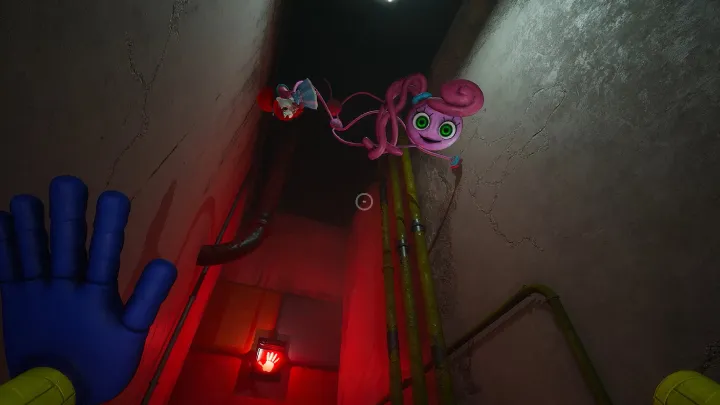
The introduction of Mommy Long Legs, the Smiling Critters, and forgotten experiments enriches the franchise lore.
1.3 A World Filled With Secrets
Hidden hallways, abandoned rooms, and secret toys create a feeling of endless discovery—keeping players replaying the chapter.
 2. Introduction Of Mommy Long Legs As A Horror Icon
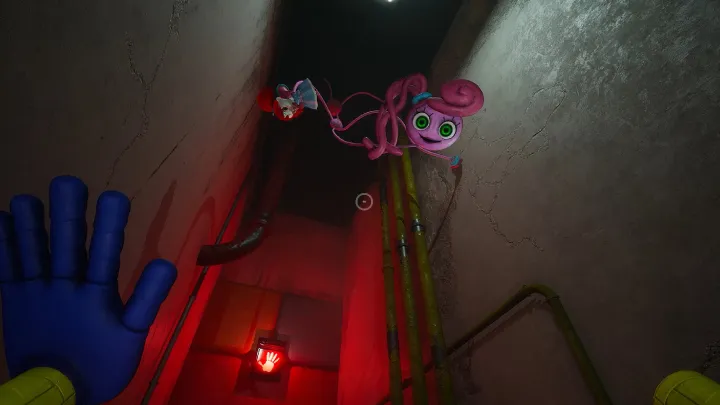
Few horror villains have made an impact as powerful as Mommy Long Legs.
2.1 Character Design
Her stretchy limbs, spider-like movements, and shifting expressions make her visually terrifying yet strangely charismatic.
2.2 Dynamic Behavior
Mommy reacts unpredictably, chasing players through vents, halls, and playground arenas.
2.3 Cultural Impact
She became an internet phenomenon within weeks, generating fan art, memes, animations, and cosplay globally.
3. Puzzle Diversity Making Gameplay More Engaging
Poppy Playtime Chapter 2 introduces some of the most creative puzzles in the franchise.
3.1 GrabPack Innovation
The new green GrabPack hand allows players to transfer electricity, opening up more complex interactions.
3.2 Multi-Stage Challenges
Puzzles require observation, timing, and experimentation, balancing difficulty without becoming frustrating.
3.3 Puzzle-Gameplay Fusion
Puzzles are integrated into chases, mini-games, and environmental hazards, creating fluid transitions.
4. The Three Major Mini-Games Enhancing Replayability
The chapter’s signature mini-games—Musical Memory, Whack-A-Wuggy, and Statues—play a major role in its top-tier ranking.
4.1 Musical Memory
A terrifying rhythm game with Bunzo Bunny descending from the ceiling, creating panic and excitement.
4.2 Whack-A-Wuggy
Multiple Huggy creatures crawling through vents force players to maintain perfect awareness.
4.3 Statues
PJ Pug-A-Pillar turns a simple “red light, green light” into a psychologically intense experience.
5. Strong Horror Atmosphere With Cinematic Quality
Poppy Playtime Chapter 2’s atmosphere is one of its biggest strengths.
5.1 Environmental Tension
Every room has meaning—abandoned toys, eerie posters, and malfunctioning machines create dread.
5.2 Sound Design Excellence
Whispers, distant steps, toy noises, and Mommy’s voice lines build fear at every moment.
5.3 Professional Presentation
The lighting, shadows, and transitions give the chapter a polished cinematic tone rarely seen in indie games.
6. Fan Community Growth And Viral Online Presence
Poppy Playtime Chapter 2 became a major force across digital communities.
6.1 Streaming Dominance
Major YouTubers and streamers played the chapter, generating millions of views and reactions.
6.2 Fan Creations
Art, animations, AU worlds, theories, and remixes keep the franchise alive daily.
6.3 Global Meme Culture
Characters like Mommy Long Legs, Bunzo Bunny, and PJ Pug-A-Pillar remain viral figures in internet culture.
7. High Production Quality For An Indie Game
Considering its indie origins, the chapter demonstrates technical excellence.
7.1 Visual Fidelity
Detailed textures, smooth animations, and large environments exceed typical indie standards.
7.2 Performance Optimization
Mobile versions run surprisingly well, making the game accessible to millions.
7.3 Asset Quality
Character models, props, and environmental elements are crafted with consistent professionalism.
8. Emotional Impact And Psychological Tension
The horror in Poppy Playtime Chapter 2 is not just jump scares—it’s psychological.
8.1 Fear Of Pursuit
Mommy Long Legs’ unpredictable movement keeps players on high alert.
8.2 Childlike Innocence Turned Dark
Colorful playgrounds and joyful toys contrasted with horror intensify emotional discomfort.
8.3 The Illusion Of Safety
Even friendly rooms hide danger, teaching players never to trust the environment completely.
 9. A Perfect Balance Between Story And Gameplay
Top games blend narrative and gameplay seamlessly.
9.1 Story Delivery Through Exploration
Players discover lore through exploration rather than forced cutscenes.
9.2 Gameplay Structure
Each area leads naturally to the next, building tension and pacing.
9.3 Strong Ending Setup
The train escape and cliffhanger perfectly prepare players for Chapter 3.
10. Long-Term Franchise Potential And Cultural Longevity
Poppy Playtime is now a full cultural phenomenon.
10.1 Merchandise And Expansion
Toys, clothing, books, and animations continue expanding the franchise.
10.2 High Anticipation For Chapter 3
Massive hype surrounds future installments, strengthening Chapter 2’s legacy.
10.3 Franchise Staying Power
The game’s characters, world, and story ensure long-lasting relevance across media.