.webp)








REANIMAL positions itself as a cooperative horror experience built around vulnerability, childhood perspective, and grotesque environmental storytelling. Developed by Tarsier Studios, the studio behind Little Nightmares II, the game inherits a legacy of tension crafted through scale, silence, and subtle cruelty. Yet REANIMAL introduces a more radical mechanic that defines its emotional architecture: audio-driven threat detection.
Rather than relying primarily on line-of-sight stealth or traditional patrol systems, REANIMAL frequently centers danger around sound — both the player’s and the environment’s. Footsteps echo across metal floors. Breathing intensifies in enclosed spaces. Environmental noises mask or expose movement. Enemies react to auditory cues in ways that are not always predictable. Over time, this design shifts fear from visual anticipation to acoustic vulnerability.
This article examines one specific issue within REANIMAL: how audio-based threat systems progressively erode player certainty and reshape agency across the entire game timeline. We will explore how this system emerges subtly, intensifies structurally, alters cooperative dynamics, and ultimately reframes horror not as something seen — but as something heard.
1. Early Game: Sound as Atmosphere, Not Mechanic
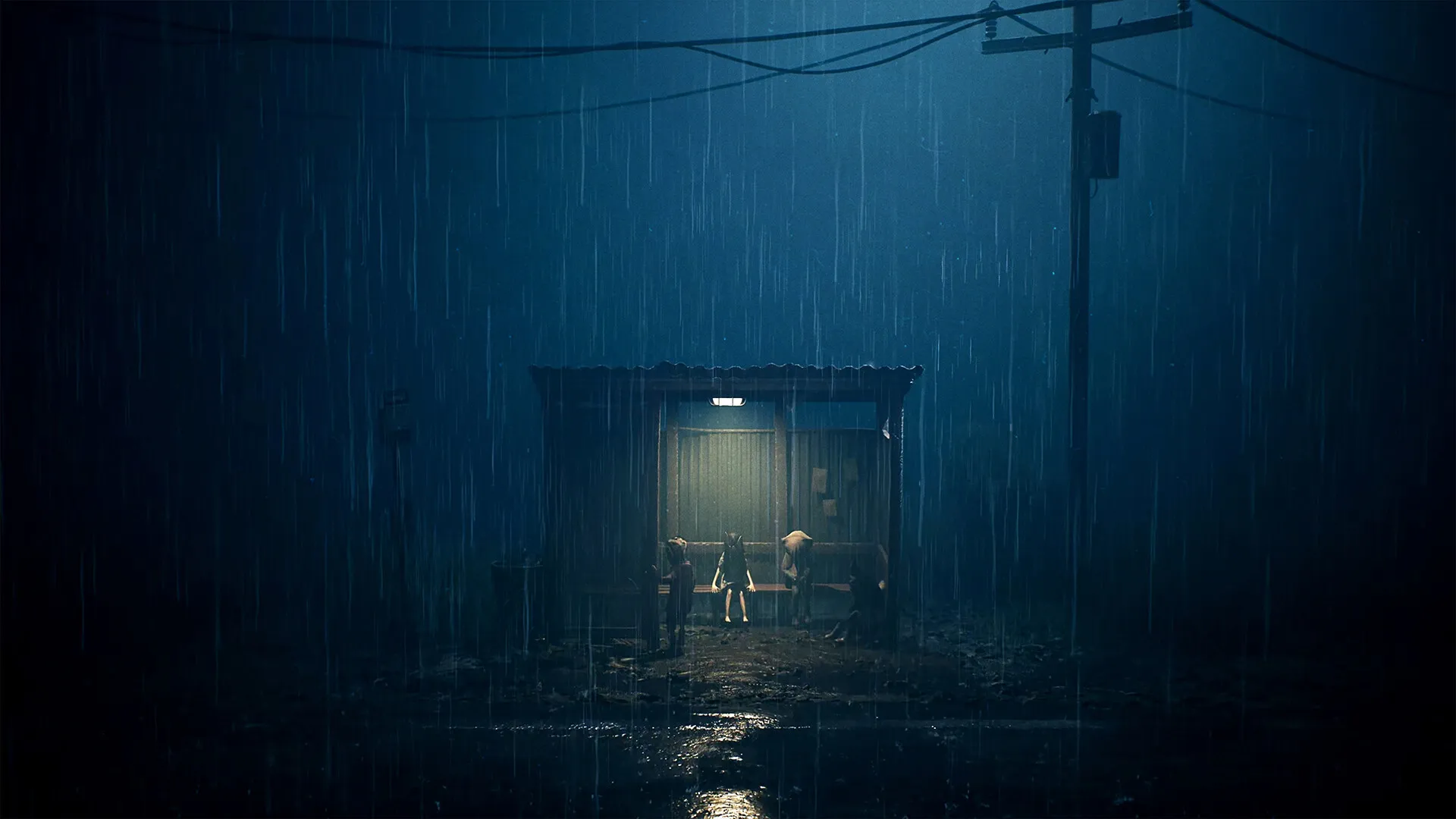
In REANIMAL’s opening chapters, audio functions primarily as mood-building texture. The island setting creaks, groans, and whispers. Distant metallic clangs and low-frequency rumbles suggest movement beyond the visible frame.
At this stage, players interpret sound as environmental storytelling rather than systemic threat detection.
H3: Establishing Sonic Unease
Early audio design includes:
- Distant animalistic screeches
- Unidentifiable mechanical scraping
- Wind passing through hollow structures
H4: Controlled Safety
Enemies in early segments rely mostly on visual detection. Players learn basic stealth patterns without severe auditory consequences.
Sound feels expressive — not punitive.
2. The First Acoustic Shock
The shift begins subtly. In a mid-early segment involving narrow industrial corridors, enemies respond to dropped objects and running footsteps. The player learns — often through failure — that speed equals noise, and noise equals exposure.
The realization changes movement habits immediately.
H3: Learning Through Punishment
When a player sprints:
- Footstep volume increases
- Enemy alert states trigger
- Patrol paths adjust
H4: Redefining Movement
Walking becomes strategic. Running becomes risk.
Sound transitions from background element to gameplay determinant.
3. Cooperative Play Complication
REANIMAL supports cooperative interaction between two child protagonists. The audio system intensifies when coordination fails.
H3: Shared Sonic Responsibility
In co-op:
- One player’s noise affects both
- Mistimed jumps create detection
- Panic movements cascade into failure
H4: Psychological Spillover
If one player moves carelessly:
- Trust erodes
- Communication becomes tense
- Decision-making slows
Audio-driven detection creates interpersonal pressure.
4. Environmental Amplification Zones
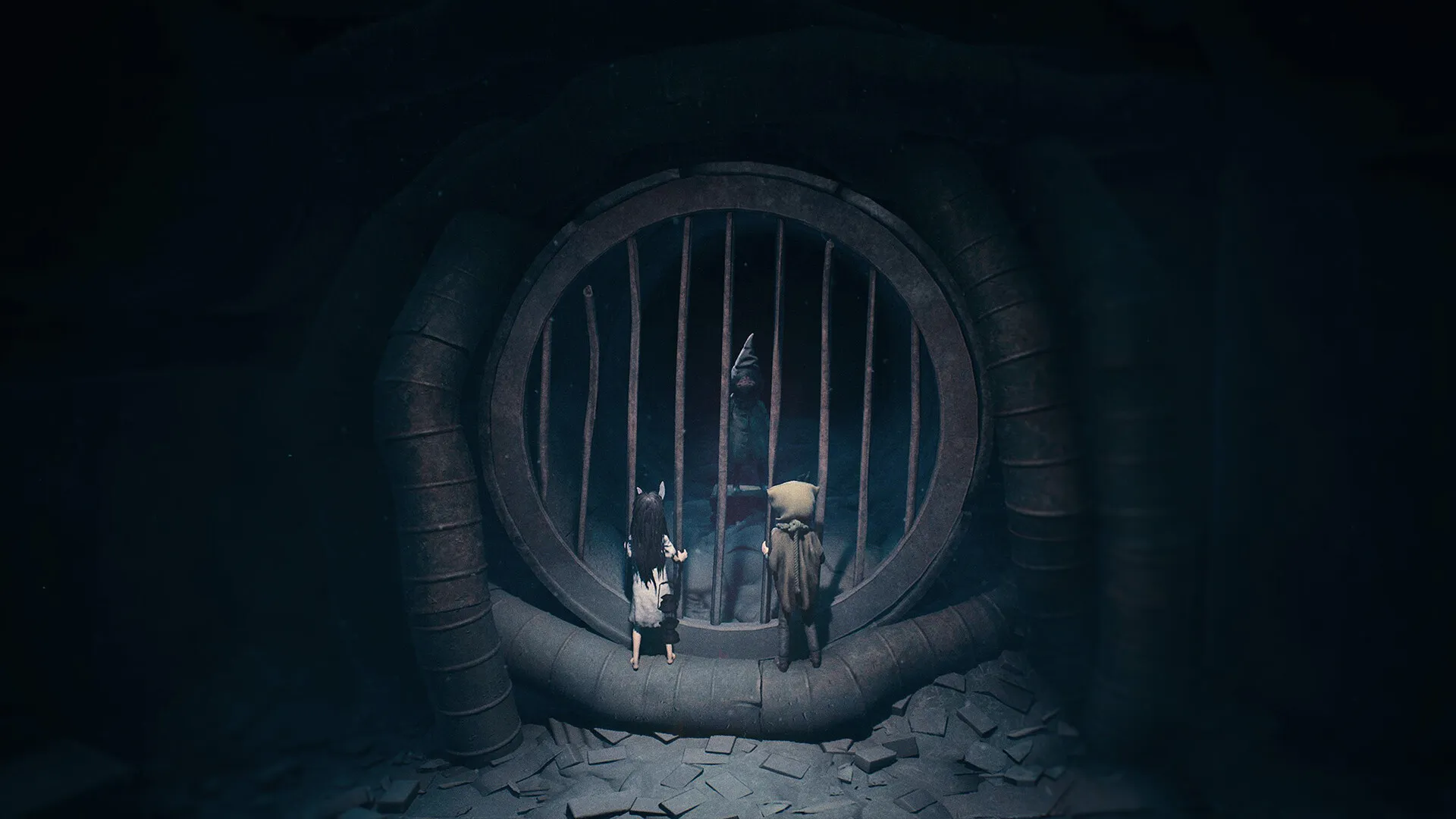
As the game progresses, level design introduces acoustic traps — spaces designed to magnify or distort sound.
H3: Echo Chambers
Large metal rooms:
- Amplify footsteps
- Echo dropped items
- Delay sound dissipation
H4: Sonic Dead Zones
Conversely, certain spaces muffle:
- Movement
- Dialogue cues
- Environmental warning sounds
Players must interpret acoustics before acting.
5. Enemy Evolution: Listening Becomes Hunting
Later enemy types in REANIMAL demonstrate refined auditory behavior.
H3: Reactive Patrol AI
Advanced enemies:
- Pause when hearing faint sound
- Investigate in nonlinear patterns
- Fake retreat before ambushing
H4: Uncertainty Injection
Players cannot predict:
- Detection radius precisely
- Sound threshold tolerances
- Reaction timing
This uncertainty destabilizes confidence.
6. Breathing as Exposure
In claustrophobic sections, the protagonists’ breathing intensifies under stress. This is not merely aesthetic.
H3: Stress-Linked Audio Signals
When hiding:
- Heavy breathing increases
- Micro-movements generate noise
- Enemies linger longer nearby
H4: Fear Feedback Loop
Anxiety leads to hesitation.
Hesitation prolongs exposure.
Prolonged exposure increases risk.
The system weaponizes emotional response.
7. Silence as Manipulation
REANIMAL does something more unsettling than loud horror — it removes sound entirely.
H3: Sudden Audio Drops
Moments of near-total silence:
- Eliminate spatial awareness
- Mask enemy movement
- Force slower pacing
H4: The Sound Deprivation Effect
Without audio cues:
- Players overcompensate
- Movement becomes erratic
- Anticipation increases
Silence becomes a predator.
8. Mechanical Puzzles Under Acoustic Pressure
Mid-to-late game puzzles require sound generation.
H3: Necessary Noise
Examples include:
- Activating generators
- Pulling rusted chains
- Breaking barriers
H4: Trade-Off Design
Progress requires sound.
Sound invites danger.
Players must weigh:
- Timing
- Positioning
- Cooperative distraction
Progress and risk intertwine.
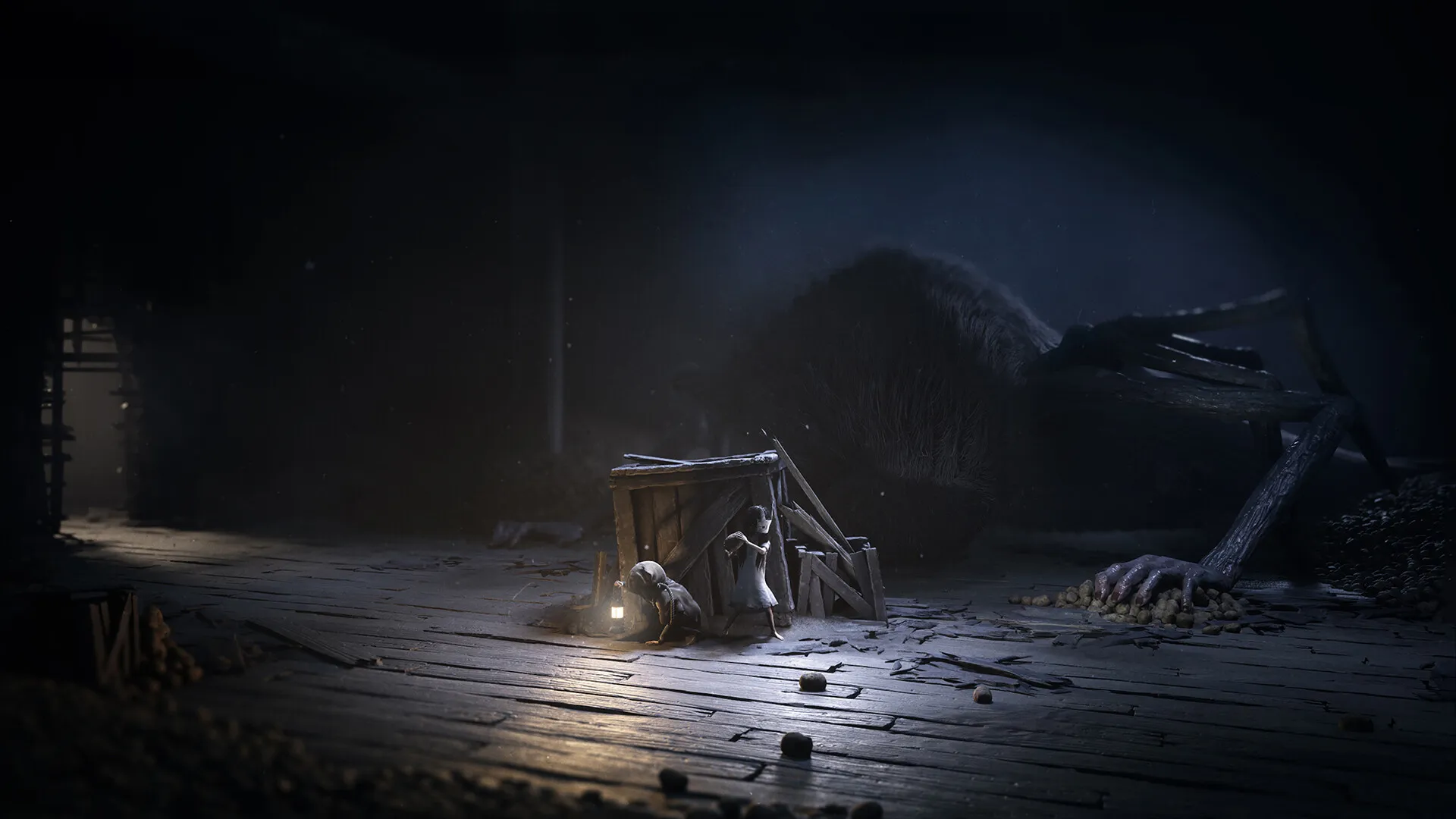
9. Late Game: Sonic Overload
Near the climax, multiple audio layers overlap — environmental collapse, creature calls, metallic resonance.
H3: Cognitive Saturation
Players struggle to distinguish:
- Threat noise
- Ambient noise
- Partner-generated noise
H4: Agency Fragmentation
When every sound could mean danger:
- Decision paralysis occurs
- Reaction times slow
- Mistakes increase
The system intentionally overwhelms perception.
10. The Core Design Conflict
Audio-driven threat detection achieves immersive horror — but at a cost.
H3: Strengths of the System
- Heightened immersion
- Unique tension model
- Cooperative dependency
H4: Structural Weakness
However:
- Inconsistent audio feedback reduces clarity
- Overlapping sound layers create unfair detection
- Player agency feels fragile
When players cannot reliably interpret cause and effect, fear transitions into frustration.
The design walks a fine line between immersive vulnerability and systemic opacity.
REANIMAL transforms sound from atmospheric support into mechanical authority. What begins as environmental unease becomes a layered system where noise governs survival, cooperation, puzzle-solving, and late-game chaos. The brilliance of the design lies in its psychological integration: breathing, panic, silence, and echo are not cosmetic — they are functional.
Yet this same system risks undermining player agency when clarity diminishes. If sound cannot be reliably interpreted, fear becomes confusion. And confusion, unlike terror, does not empower engagement — it erodes it.
REANIMAL succeeds in redefining horror around listening rather than seeing. But its long-term impact depends on whether players feel hunted — or helpless.