Toca Boca World: Advanced House Building and Character Roleplay Guide for Creating the Ultimate Interactive City
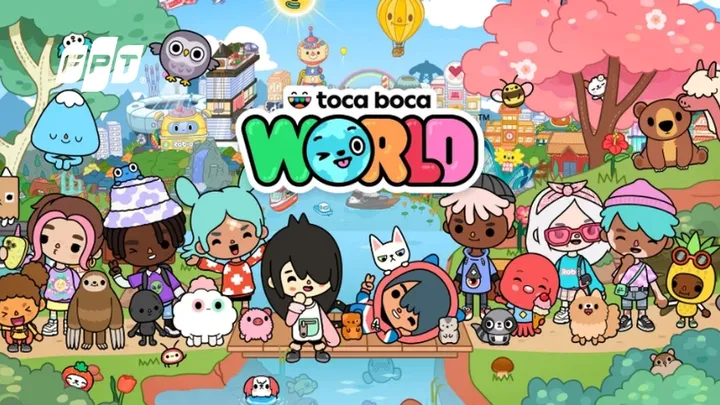
Most players enter Toca Boca World expecting a simple sandbox game where they decorate houses, dress characters, and explore colorful locations. While the game certainly allows casual creativity, experienced players quickly discover there is much more depth hidden beneath its playful design. Advanced building techniques, storage organization, roleplay systems, storytelling structure, and world customization all dramatically change the experience.
This guide focuses specifically on one advanced topic: how to create immersive roleplay systems and highly optimized house designs that make your Toca Boca World feel alive and realistic. Instead of discussing general beginner tips, this article dives deeply into advanced organization strategies, storytelling methods, room design logic, character management, and efficient city-building techniques used by experienced players.
By the end of this guide, you will understand how to transform your world from a random collection of furniture into a believable interactive city full of personality, structure, and immersive storytelling.
Understanding the Core Creative System
At first glance, Toca Boca World seems completely open-ended. You place furniture, customize characters, and create your own stories. However, players who build the most immersive worlds follow hidden organizational systems that make everything feel natural and connected.
The game’s true depth comes from combining:
- Environmental storytelling
- Character routines
- Logical house layouts
- Item organization
- Consistent roleplay structure
Most beginners decorate randomly without considering functionality. Advanced players build spaces that support stories and character behavior.
Core Immersion Formula
Immersion =
(Logical Design × Character Consistency × Environmental Detail)
Ignoring one of these areas often makes worlds feel chaotic or unfinished.
Common Beginner Mistakes
- Overcrowding rooms
- Using random furniture themes
- Creating too many characters without structure
- Ignoring storage systems
- Building houses without realistic layouts
Planning Your City Before Building
One of the biggest differences between average and advanced players is planning. Many players immediately start decorating without thinking about how locations connect together.
Strong world-building begins with city structure.
Important City Zones
- Residential areas
- Commercial districts
- Entertainment zones
- School systems
- Healthcare locations
- Hidden story areas
Instead of placing random buildings everywhere, organize your world like a real city.
For example:
- Families should live near schools
- Restaurants should connect to shopping districts
- Wealthy characters should have larger homes in premium areas
This creates natural storytelling opportunities.
Advanced Planning Tip
Always think about how characters travel between locations.
A believable world feels connected rather than isolated.
Creating Realistic Family Houses
Many players design beautiful homes that are difficult to roleplay inside. Advanced house building is not just about aesthetics—it is about functionality.
Every room should support character interaction.
Essential Features of Realistic Homes
- Clear movement space
- Logical furniture placement
- Organized storage areas
- Distinct personality themes
- Functional kitchens and bathrooms
A common mistake is filling every empty space with decorations. While visually impressive, overcrowded houses become difficult to use during roleplay.
Best House Design Principle
Decorate with purpose, not quantity.
Every object should contribute either:
- Functionality
- Personality
- Storytelling
Hidden Realism Technique
Small imperfections make houses feel alive.
Examples include:
- Open books
- Food left on tables
- Shoes near doors
- Unmade beds
- Laundry baskets
These details create realism far more effectively than expensive decorations alone.
Advanced Character Roleplay Systems
Roleplay is the heart of Toca Boca World, but many players create shallow stories that quickly become repetitive.
Advanced roleplay focuses on:
- Character routines
- Personality consistency
- Relationships
- Schedules
- Long-term story arcs
How to Create Strong Characters
Each major character should have:
- A job or school role
- Distinct personality traits
- Friendships or rivalries
- Daily routines
- Personal goals
For example:
- A strict teacher
- A messy chef
- A shy student
- A famous musician
- A wealthy business owner
The more detailed your characters become, the more immersive your world feels.
Major Roleplay Mistake
Creating too many characters at once.
A smaller cast with strong personalities is usually more interesting than dozens of undeveloped characters.
Organizing Storage and Inventory Efficiently
One hidden challenge in Toca Boca World is managing large numbers of items. Without organization, your world quickly becomes cluttered and difficult to navigate.
Advanced players use dedicated storage systems.
Best Storage Organization Methods
- Food stored by category
- Clothing separated by character
- School supplies grouped together
- Event items stored in themed rooms
- Rare collectibles kept separately
Useful Storage Locations
- Garages
- Basement rooms
- Dedicated closets
- Pantry systems
- Warehouse-style buildings
Smart Efficiency Tip
Never leave unused items scattered randomly across locations.
Organized worlds are significantly easier to roleplay in long term.
Creating Realistic Daily Schedules
One feature that separates immersive worlds from casual ones is character scheduling.
Instead of randomly moving characters around, advanced players simulate realistic daily life.
Example Daily Schedule
Morning:
- Wake up
- Breakfast
- School/work preparation
Afternoon:
- School
- Jobs
- Shopping
- Social activities
Evening:
- Dinner
- Entertainment
- Family interaction
- Sleep routines
This structure makes the world feel dynamic and believable.
Advanced Immersion Trick
Different characters should have different schedules.
Not everyone should wake up, eat, and sleep at the same time.
Building Specialized Locations for Storytelling
Many players focus entirely on houses while ignoring public spaces. However, advanced storytelling relies heavily on specialized locations.
Best Roleplay Locations
- Hospitals
- Cafes
- Schools
- Police stations
- Hotels
- Music studios
- Shopping centers
Public spaces create opportunities for:
- Character interaction
- Conflict
- Social events
- Long-term story development
Important Design Rule
Every location should have a purpose within your world’s narrative.
Empty decorative buildings quickly become irrelevant.
Seasonal Events and Temporary World Changes
One of the best ways to keep your world interesting is using seasonal updates and temporary events.
Advanced players constantly evolve their cities over time.
Event Ideas
- Birthday parties
- School festivals
- Holiday celebrations
- Concerts
- Weddings
- Sports competitions
- Summer vacations
Temporary decorations and schedule changes make the world feel alive.
Advanced Storytelling Technique
Major events should permanently affect characters or locations.
For example:
- A restaurant becomes famous
- A family moves house
- A character changes schools
- A new business opens
Long-term consequences create deeper immersion.
Advanced Interior Design Techniques
Good decoration is not about using expensive furniture—it is about visual balance and personality.
Best Interior Design Principles
- Use color consistency
- Avoid overcrowding
- Create focal points
- Match furniture themes
- Leave natural empty space
Room Personality Examples
- Cozy family kitchens
- Minimalist luxury apartments
- Chaotic children’s bedrooms
- Professional office spaces
- Artistic creative studios
Hidden Design Secret
Lighting and spacing matter more than decoration quantity.
Simple rooms with strong structure often look better than overloaded luxury rooms.
Managing Large Worlds Without Chaos
As your city grows, organization becomes increasingly important. Large worlds often become confusing because players expand too quickly.
Best Large-World Management Strategies
- Divide the city into districts
- Limit unnecessary characters
- Maintain consistent themes
- Use dedicated storage zones
- Keep roleplay timelines organized
Many experienced players even create written notes for:
- Character relationships
- Story progression
- Family structures
- Business ownership
Important Scaling Rule
Expansion should improve immersion—not create clutter.
A smaller organized world usually feels better than a giant chaotic one.
Common Advanced Mistakes That Ruin Immersion
Even experienced players sometimes make decisions that weaken realism and storytelling quality.
Most Common Mistakes
- Decorating without functionality
- Creating too many luxury houses
- Ignoring character consistency
- Overusing rare items everywhere
- Building massive empty spaces
These mistakes usually happen because players focus too much on appearance instead of interaction.
Best Correction Method
Always ask:
“Does this improve roleplay possibilities?”
If not, it may only add visual clutter.
Conclusion: Turning Toca Boca World Into a Living City
Mastering Toca Boca World is not about owning the rarest furniture or creating the biggest houses. The true depth of the game comes from building believable systems, immersive characters, realistic environments, and interconnected stories.
Players who organize their worlds carefully and think deeply about functionality create cities that feel truly alive. By combining smart house layouts, detailed roleplay systems, realistic schedules, efficient storage management, and evolving storylines, you can transform your world into an interactive experience far beyond simple decoration.
The most memorable Toca Boca worlds are not necessarily the fanciest—they are the ones filled with personality, consistency, and believable life.
Once you begin designing with immersion in mind, the game becomes far more creative, rewarding, and endlessly replayable.