



Introduction
In an era where mobile apps mediate nearly every part of our lives, from communication to productivity to personal well-being, the competition among top applications is fiercer than ever. However, what truly separates great apps from good ones is not just popularity—it’s the unseen friction points that shape how users interact, adopt, and remain loyal to these digital ecosystems.
In this article, we explore five leading apps—TikTok, Snapchat, Spotify, Google Maps, and Duolingo—through a deep, issue-centered lens. Instead of general observations, we focus on one critical challenge per app, examining its causes, consequences, and potential solutions. Across ten major sections, this analysis outlines the evolution of these challenges, the impact on users, and the broader implications for the app development landscape.
1. TikTok’s Algorithmic Pressure and the Creativity Burnout Cycle
TikTok has redefined short-form content, but beneath its addictive “For You Page” lies a significant issue: creator burnout caused by constant algorithmic pressure. TikTok’s algorithm rewards hyper-activity, meaning creators feel forced to post multiple times a day for visibility. This generates a cycle where creators prioritize frequency over creativity, leading to declining originality and increased stress.
The pressure is intensified by rapid content decay. A video has only a few hours to gain momentum; if it doesn’t, it disappears into the void. Creators internalize this as personal failure, even though the cause is rooted in algorithmic design rather than content quality. As a result, creativity becomes mechanical, and the joy of content creation is replaced by performance anxiety.
Consequences of Algorithm-Driven Creativity
This burnout manifests in shorter creator lifespans, more frequent hiatuses, and psychological fatigue across the platform. Even consumers indirectly feel the effects as content becomes increasingly repetitive, algorithm-optimized rather than artistically motivated. TikTok’s major challenge now lies not in attracting new creators, but in retaining them.
2. Snapchat’s Ephemeral Messaging vs. Long-Term User Trust
Snapchat’s identity is built on disappearing content, but this very feature creates a deep trust dilemma for new and long-time users. The app promises privacy through ephemeral messaging, yet screenshots, screen recordings, third-party apps, and “camera tricks” have made users question whether privacy truly exists on Snapchat.
While Snapchat alerts users of screenshots, it cannot detect all forms of content capture. This gap results in an uncertain environment where self-expression is encouraged but not fully protected. Many users—especially younger ones—develop a false sense of safety, believing that disappearing messages eliminate digital footprints.
Psychological Impact on Communication
Because content is temporary, users often communicate more impulsively, sometimes sharing personal or risky messages. The trust issue arises when they realize their “disappearing” content may not actually disappear. This creates a conflicting dynamic: Snapchat encourages freedom, but its technical limitations can inadvertently expose users.
3. Spotify’s Discovery Problem: Are Listeners Truly Hearing New Music?
Spotify has mastered personalization, yet one major issue persists—algorithmic echo chambers. Users often believe they’re being introduced to new music, but Spotify’s recommendations frequently loop within small clusters of familiar genres, moods, and artists. Despite access to millions of songs, most listeners hear only a tiny fraction of the catalog.
The “Discover Weekly” and “Release Radar” playlists tend to reinforce existing listening habits. This happens because Spotify’s algorithms heavily weigh user history: skipping behavior, playlist saves, and long-term preferences. Over time, this reduces exposure to fresh or diverse artists, even when listeners crave novelty.
Why This Matters to the Music Ecosystem
From a global perspective, this issue contributes to the decline of niche genres and indie artists. Spotify becomes a taste-reinforcement machine instead of a discovery platform. Though users enjoy convenience, it limits cultural exploration and artist visibility. For music creators, getting algorithmically overlooked can stall careers.

4. Google Maps and the Growing Problem of Navigation Over-Reliance
Google Maps has transformed how we navigate cities, but this convenience has birthed a new problem: navigational dependency. Users are increasingly losing their natural sense of direction, relying on turn-by-turn instructions even for familiar routes. This reduces spatial intelligence and makes users less aware of their environment.
In addition, real-time routing sometimes prioritizes speed over safety or practicality. Drivers may be rerouted into narrow streets, alleyways, or unsafe shortcuts simply because they save a few minutes. While theoretically optimal, these choices can be stressful or dangerous during unfamiliar conditions.
The Human Cost of Digital Navigation
Over-reliance on Google Maps impacts memory formation. When users don’t engage with landmarks or contextual cues, they fail to build mental maps. This creates a dependency loop: the more they rely on Maps, the less confident they become navigating independently. The challenge for Google lies in balancing convenience with cognitive empowerment.
5. Duolingo’s Motivation Paradox: Gamification That Backfires
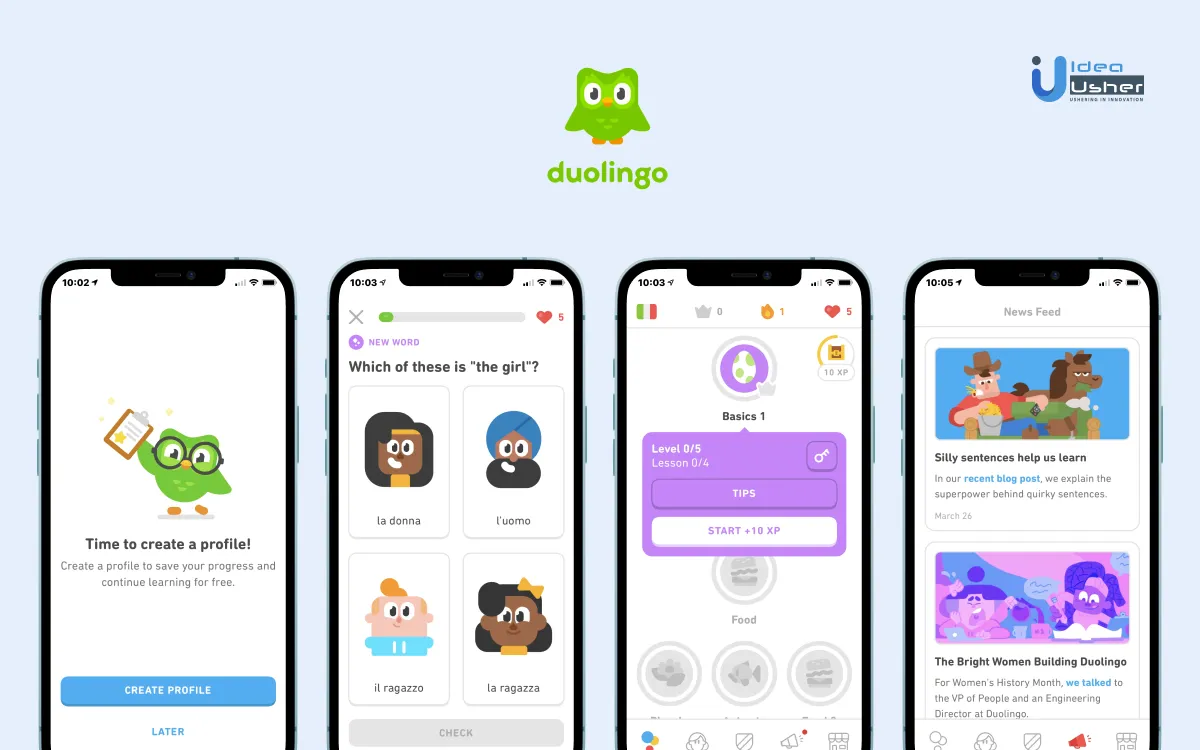
Duolingo has brought fun into language learning through gamification, yet the platform faces a significant issue known as the “motivation paradox.” Gamified streaks are meant to encourage consistency, but they often become the main goal—overshadowing real learning. Users prioritize maintaining streaks instead of absorbing knowledge.
This paradox becomes more pronounced when learners rush through lessons to “protect their streak.” Instead of deep comprehension, the focus shifts to speed and streak preservation. This undermines long-term retention and creates a superficial understanding of the language.
When Gamification Hinders Learning
Duolingo’s incentives create behavioral pressure: users fear losing progress and therefore opt for easy lessons or “streak freezes.” This leads to inconsistent language mastery. True linguistic growth requires reflection and difficulty, but Duolingo unintentionally encourages shortcuts rather than deep practice.
6. How These Five Apps Collectively Reflect Modern Digital Behavior
The issues seen in these apps share a common thread: digital ecosystems are increasingly designed around algorithmic reinforcement, not human well-being. Whether it’s TikTok influencing creativity or Duolingo shaping motivation patterns, design choices influence behavior more deeply than most users realize.
These patterns reflect a broader trend—apps are optimizing for engagement, not mental health, exploration, or sustainable learning. As these platforms compete, they sacrifice long-term satisfaction for short-term activity. This shift shows the need for new digital norms and ethical design standards.
7. The Evolution Timeline of These Problems Across the Industry
Initially, these issues appeared subtle. Early versions of Spotify, Google Maps, or Snapchat did not create significant behavioral shifts. But as algorithms intensified and user bases grew, the consequences became unavoidable.
The timeline typically follows a pattern:
- Rapid growth phase
- Algorithmic optimization phase
- Amplified friction and burnout phase
This cycle repeats across industries because growth demands personalization, and personalization demands behavioral data—even when it comes at the cost of user comfort.
8. Industry Responses and Partial Solutions Being Tested
TikTok has begun experimenting with creator wellness prompts, suggesting breaks and introducing less frequent posting incentives. However, these solutions remain surface-level, failing to address algorithm design. Snapchat continues improving screenshot-detection tools, but cannot eliminate all loopholes.
Spotify is testing greater genre diversity in discovery playlists, while Google Maps is developing safer route suggestions that avoid risky shortcuts. Duolingo has experimented with reward systems that emphasize accuracy over streaks. These solutions are promising but still incomplete.
9. What Users Can Do to Overcome These Issues
Users must adopt digital self-awareness—understanding how apps shape habits and emotions. TikTok creators can set personal posting limits or batch-record content to reduce stress. Spotify listeners can manually explore new artists and diversify playlists intentionally.
Google Maps users can practice navigating without constant instruction, while Snapchat users should avoid sharing sensitive content. Duolingo learners can supplement lessons with native content, grammar books, and conversation practice. Personal accountability is key to digital well-being.
10. Long-Term Implications for the App Landscape
As these issues evolve, we may see major shifts in design philosophy. Apps that prioritize user well-being may gain long-term loyalty. Regulatory changes may also push platforms toward transparency in algorithmic behavior, especially for apps used heavily by young people.
In the future, apps that balance engagement with ethical design will stand out as leaders. The five apps explored here remain powerful and influential—but whether they evolve responsibly will define the next era of digital culture.
Conclusion
The top five apps examined—TikTok, Snapchat, Spotify, Google Maps, and Duolingo—dominate their respective categories, but beneath their success lie complex issues shaping modern digital behavior. From burnout to privacy gaps to algorithmic echo chambers, these challenges reveal the hidden cost of convenience and personalization.
Understanding these issues is the first step toward healthier digital habits, more transparent platforms, and better long-term user experience.
160-Character Summary
A deep review of TikTok, Snapchat, Spotify, Google Maps, and Duolingo, revealing hidden user challenges and how these issues shape digital behavior and well-being.