.webp)







World of Warships is a naval combat title built on weighty ships, deliberate pacing, and a focus on decision-making rather than twitch reactions. While players often discuss armor angles, penetration mechanics, consumables, and positioning, there is a deeper system that silently shapes every match: the spotting system. Understanding spotting is the difference between playing reactively and controlling the battlefield.
At lower tiers, spotting feels simple if you are in range, you get detected. But at high-level play, spotting becomes an entire subgame: concealment values, detection bloom, air spotting, radar mechanics, priority targets, island masking, line-of-sight checks, smoke firing penalties, and team coordination all intertwine into a tactical ecosystem. This article dives deeply into that invisible layer and explains how it controls the flow, tempo, and outcome of a World of Warships match.
1. The Fundamentals of Spotting
Spotting is the mechanic that determines when enemy ships become visible. Unlike traditional shooters, visibility is not binary. Instead, it operates on concealment ranges, directional penalties, and line-of-sight interactions.
Players must understand that spotting depends not only on distance but also on terrain, smoke, aircraft, consumables, and situational modifiers. A cruiser behind an island can block line-of-sight entirely even if an enemy is within detection range. Conversely, a destroyer sitting in open water may be visible at long distances because of gun bloom penalties.
Spotting is also team-shared: once one player spots an enemy ship, the entire team gains vision. This creates a layer of interdependence that elevates tactical play and makes vision control a shared responsibility.
2. Concealment Values and How They Shape Engagements
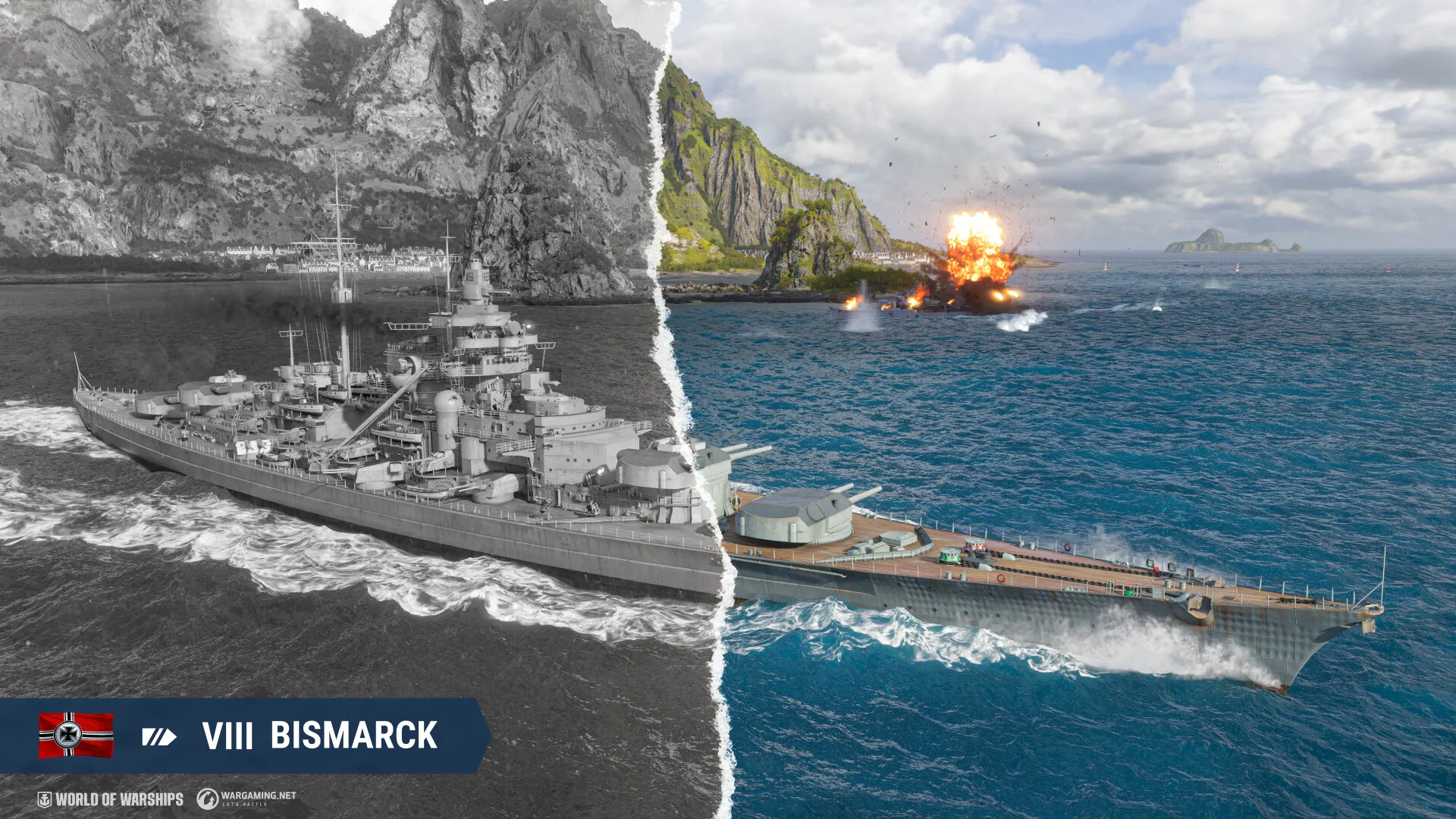
Every ship has a base concealment value, affected by its hull design, camouflage, captain skills, and upgrades. Destroyers typically enjoy the lowest concealment—ranging from 5–7 km—while battleships can exceed 15 km.
Why does concealment matter?
Because the ship that gets spotted first almost always loses the tactical advantage. A destroyer that outspots another can dictate range, angle, and whether to engage or disengage. A cruiser with poor concealment must rely on island cover instead. A battleship with bad concealment becomes a priority target on open maps.
By understanding concealment, players can create favorable matchups. For example, a destroyer with a 5.6 km concealment facing one with 6.1 km can consistently spot the enemy first, harass them, and force them out of key positions.
3. Detection Bloom and Combat Penalties
Detection bloom is the increase in detectability after using certain actions, such as firing main guns or launching torpedoes. This is one of the most misunderstood mechanics among casual players.
When firing guns, a ship’s detection radius often expands significantly, sometimes more than doubling its concealment range. For destroyers, this can be deadly—shooting at the wrong time exposes them to cruisers and battleships waiting to punish them.
Torpedo launch bloom is smaller but still relevant, especially when engaging at close range. Expert destroyer players often choose between staying hidden and contributing damage, making bloom management a key part of high-level play.
4. Radar, Hydro, and the Anti-Concealment Arsenal
Some consumables bypass concealment entirely. Radar reveals ships within range regardless of line-of-sight. Hydroacoustic Search detects torpedoes and reveals ships behind smoke or islands at shorter distances.
Radar Strategy
Radar is one of the strongest tools in the game because it invalidates concealment advantages. Cruisers like Des Moines, Moskva, and Petropavlovsk can lock down capture points, forcing destroyers to retreat or die.
Hydro Usage
Hydro is typically weaker than radar for hunting destroyers but stronger for defensive play. It allows cruisers and battleships to push into torpedo-heavy zones with confidence and prevent ambushes.
Anti-Conceal Skill Expression
High-level teams coordinate radar and hydro usage in overlapping intervals to trap enemy destroyers with no escape.
5. Aircraft Spotting and the CV Influence
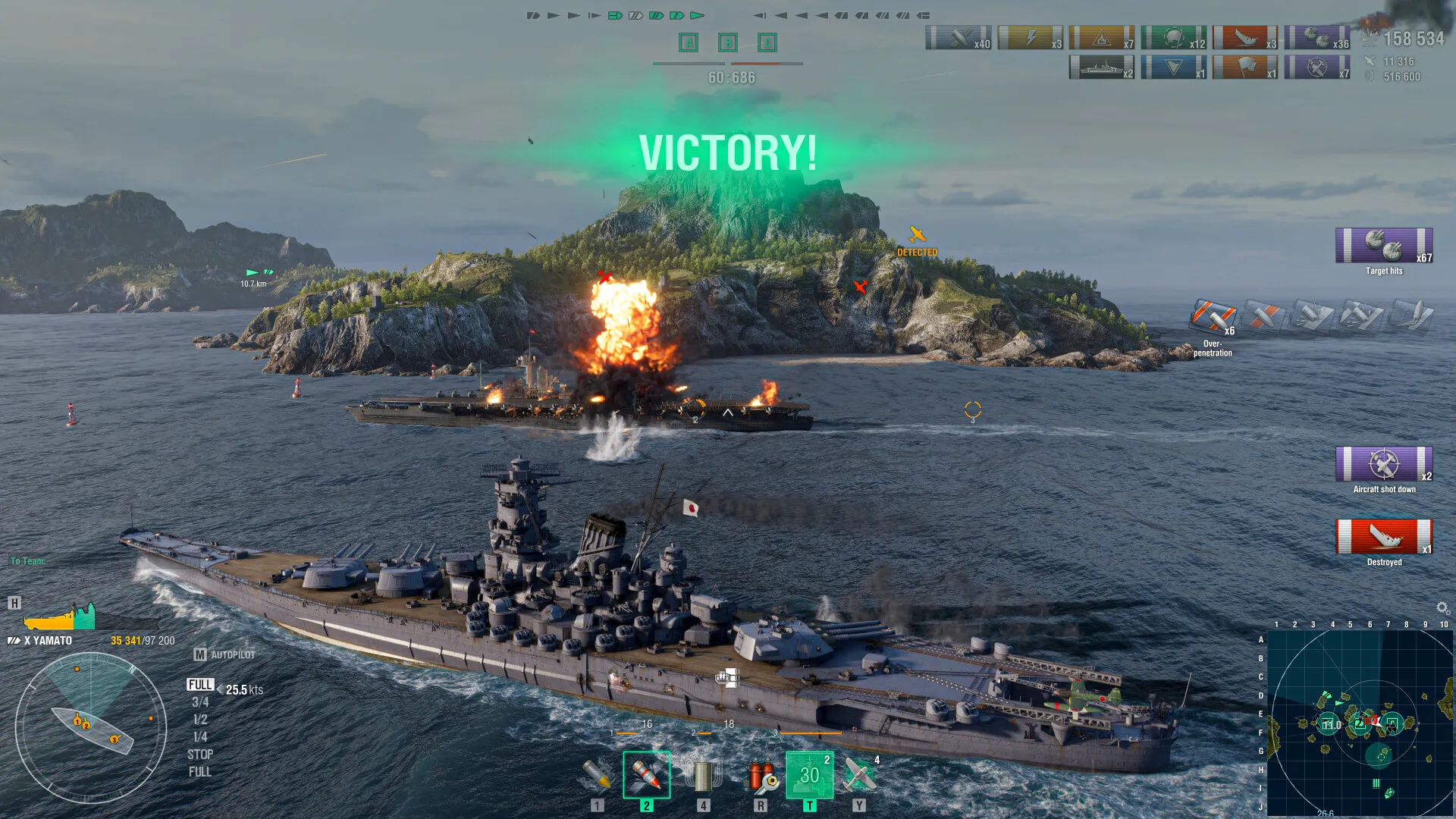
Aircraft carriers add another layer to spotting. Their planes can reveal ships far beyond surface detection ranges, forcing enemy ships to reposition or retreat.
Constant Pressure
Aircraft spotting is not constant, but skilled carrier players can cycle scouting waves to keep enemy destroyers permanently visible.
Counterplay
Anti-aircraft fire, smoke, and island cover can help, but none are perfect solutions. The presence of a carrier forces every player to adjust their positioning and timing.
Strategic Impact
Carriers often determine map control early, dictating where destroyers can safely operate.
6. Island Masking and Terrain Manipulation
Islands are more than obstacles—they are tools. Skilled players use island geometry to break line-of-sight and manipulate spotting mechanics.
Concealment Through Terrain
A ship hidden behind an island is invisible even if an enemy sits within theoretical detection range. This principle forms the basis of “island hugging,” especially for cruisers.
Firing Over Islands
Some ships have high shell arcs, allowing them to shoot over islands without being spotted. These ships become stationary artillery pieces, controlling zones without exposing themselves.
Movement Safety
Destroyers often use islands to cut detection lines, escape radar, or ambush broadside targets.
7. Smoke Screens and Their Tactical Depth
Smoke is one of the most powerful consumables in the game, but also one of the easiest to misuse.
Offensive Smoke
Ships like the British destroyers use smoke to farm damage safely—however, firing from smoke increases detection range through smoke-firing penalties. Managing these values is key to surviving counterfire.
Defensive Smoke
Smoke used for retreat or concealment must account for incoming radar or hydro.
Team Utility
Some destroyers deploy smoke to help cruisers hold positions and deny vision to the enemy.
8. Destroyers: Masters of Vision Control
Destroyers are the most influential ships in spotting gameplay. Their low concealment and speed allow them to control map flow.
Cap Control
In competitive play, destroyers dictate which team wins early capture points.
Torpedo Pressure
Even undetected destroyers influence enemy movement with the psychological threat of torpedoes.
Vision Denial
Smoke and concealment let destroyers blind enemy lines, giving their team valuable time and space to reposition.
9. High-Level Team Coordination and Vision Strategies
Competitive teams treat spotting as a resource. They plan routes, time radar cycles, position scouts, and coordinate pushes around vision windows.
Chaining Vision Tools
Teams overlap radar and hydro to create traps around key map areas.
Zone Denial
Using destroyers, planes, and island blockers, teams create zones too dangerous for the enemy to enter.
Tempo Control
Controlling vision often means controlling tempo—dictating when and where fights happen.
10. The Learning Curve and Mastery of Spotting
Spotting is easy to ignore but challenging to master. Players must learn ship concealment values, radar ranges, hydro timings, plane scouting routes, and terrain interactions.
Incremental Mastery
Beginners start with recognizing concealment differences. Intermediate players learn detection bloom. Experts master timing, positioning, and predictive movement.
Long-Term Payoff
Understanding spotting not only increases survival but elevates strategic awareness across all aspects of gameplay.
The spotting system in World of Warships is the hidden strategic core that shapes every match. It is more than a visibility mechanic—it is a foundation for tempo control, tactical decision-making, team coordination, and engagement success. Mastering spotting turns reactive play into proactive dominance, making players not only deadlier but smarter, more adaptive, and more influential on the battlefield.