
Introduction
DuneCrawl entered the gaming scene as a strikingly atmospheric roguelike dungeon crawler, blending procedural generation with harsh survival mechanics. Set in a shifting desert world filled with underground ruins, dangerous creatures, and scarce resources, the game quickly drew attention from players who enjoy unforgiving systems and emergent storytelling. Early impressions praised its tension-driven exploration and minimalist design, positioning DuneCrawl as a promising entry in the roguelike-survival genre.
However, as the player base spent more time descending into its ever-changing dunes, a central issue began to dominate community discussions: does DuneCrawl’s procedural generation truly offer long-term variety, or does it mask a growing sense of repetition? This article explores how content longevity has become the defining challenge for DuneCrawl, why procedural systems alone may not be enough, and what this debate reveals about the future of survival roguelikes.
1. The Initial Promise of Infinite Exploration
At launch, DuneCrawl marketed itself on the idea of endless discovery.
Every run promised a new layout, different enemy placements, and unpredictable environmental hazards. For players fatigued by handcrafted but finite worlds, this concept was deeply appealing.
Procedural Generation as a Selling Point
Early marketing and player expectations centered on:
- Infinite replayability
- No two runs feeling the same
- Emergent narratives driven by randomness
In the first hours, DuneCrawl largely delivered on this promise.
2. Early Gameplay: Tension, Scarcity, and Discovery
The opening phase of DuneCrawl is widely regarded as its strongest.
Players must carefully manage oxygen, light, and stamina while navigating unfamiliar underground structures. The threat of permanent death adds weight to every decision.
Why the First Hours Work
The early game succeeds because:
- Systems are unfamiliar
- Mistakes feel instructive
- Discovery outweighs repetition
During this phase, procedural variation feels meaningful rather than cosmetic.
3. The Emergence of Pattern Recognition
As players log more hours, familiarity sets in.
Despite random layouts, experienced players begin to recognize repeating room types, enemy behaviors, and environmental hazards.
When Randomness Becomes Predictable
Players report noticing:
- Similar corridor structures
- Recycled encounter pacing
- Limited enemy behavior variation
At this stage, procedural generation starts to feel like reshuffling known components rather than true novelty.
4. Content Variety vs Structural Variety
One of the core criticisms of DuneCrawl is that it emphasizes structural randomness over content diversity.
Rooms may appear in different orders, but the interactions within them rarely change.
The Difference That Matters
Structural variety includes:
- Layout changes
- Randomized paths
Content variety includes:
- New mechanics
- Unique interactions
- Evolving threats
DuneCrawl excels at the former but struggles with the latter.
5. Enemy Design and Behavioral Limitations
Enemies play a crucial role in maintaining tension in survival roguelikes.
In DuneCrawl, enemy designs are visually distinct, but behavior patterns are limited.
Why Enemies Lose Their Impact
Over time:
- Attack patterns become predictable
- Threat escalation plateaus
- Combat shifts from fear to routine
Without evolving enemy behavior, procedural placement alone cannot sustain challenge.
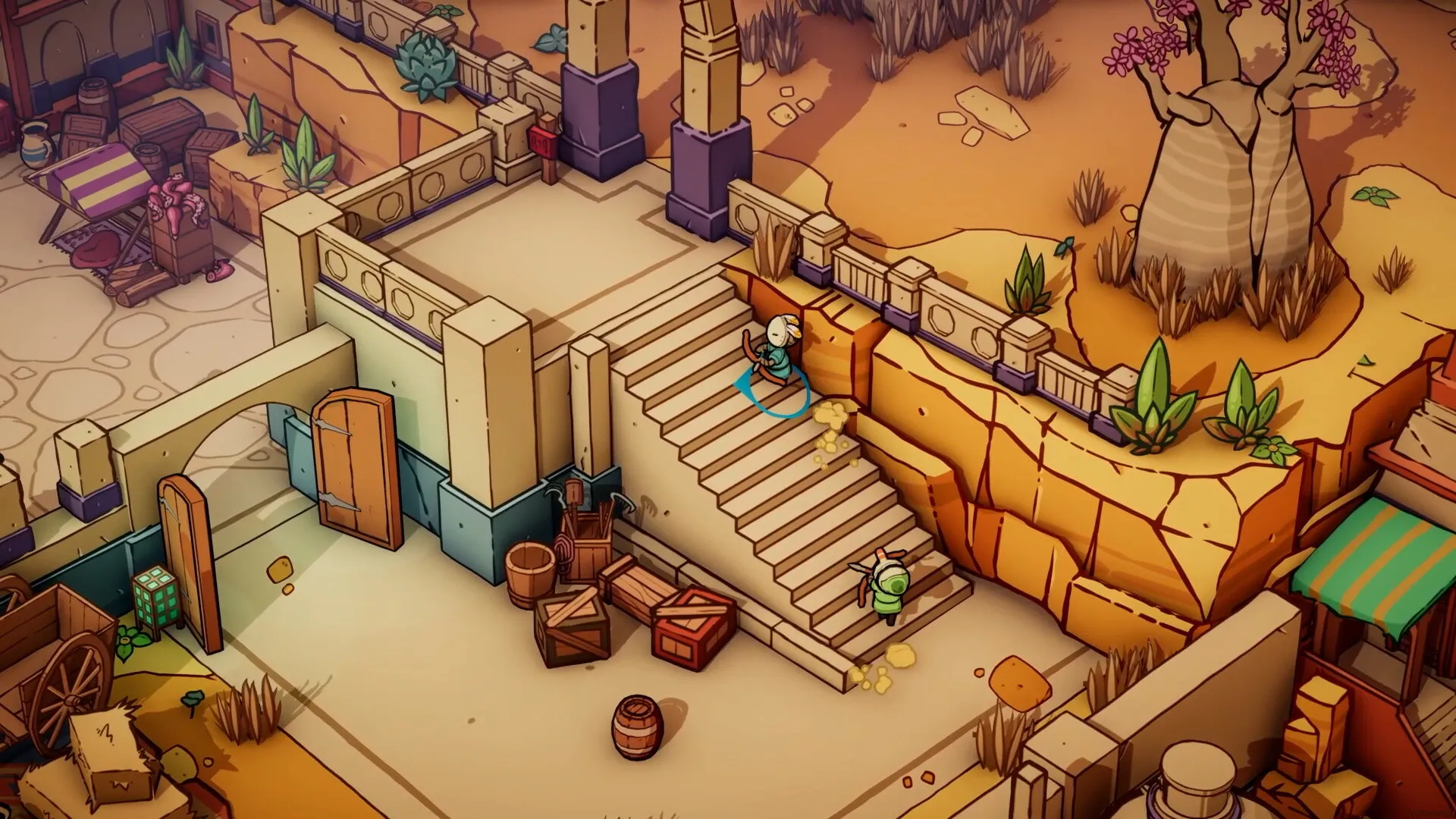
6. Progression Systems and Diminishing Motivation
Progression in DuneCrawl is intentionally restrained.
Unlocks are subtle, upgrades are limited, and player power grows slowly.
A Double-Edged Design Choice
This approach:
- Preserves difficulty
- Reinforces survival themes
But it also:
- Reduces long-term goals
- Weakens motivation to continue runs
- Makes repetition more noticeable
Without strong progression hooks, longevity suffers.
7. Community Feedback and the Repetition Debate
Player discussions increasingly focus on repetition rather than difficulty.
While some argue that mastery naturally reveals patterns, others feel DuneCrawl lacks enough depth to justify extended play.
Two Sides of the Argument
Supporters say:
- Repetition is inherent to roguelikes
- Mastery is the point
Critics argue:
- Randomization feels shallow
- Content pool is too small
- Runs blur together
This divide defines the current conversation around the game.
8. Updates, Content Drops, and Player Expectations
Developers have released updates aimed at expanding content.
New rooms, enemies, and modifiers have been added, but expectations continue to rise.
The Challenge of Procedural Expansion
Adding content is difficult because:
- New elements must integrate seamlessly
- Balance must be preserved
- Quantity alone does not guarantee variety
Players want depth, not just more assets.
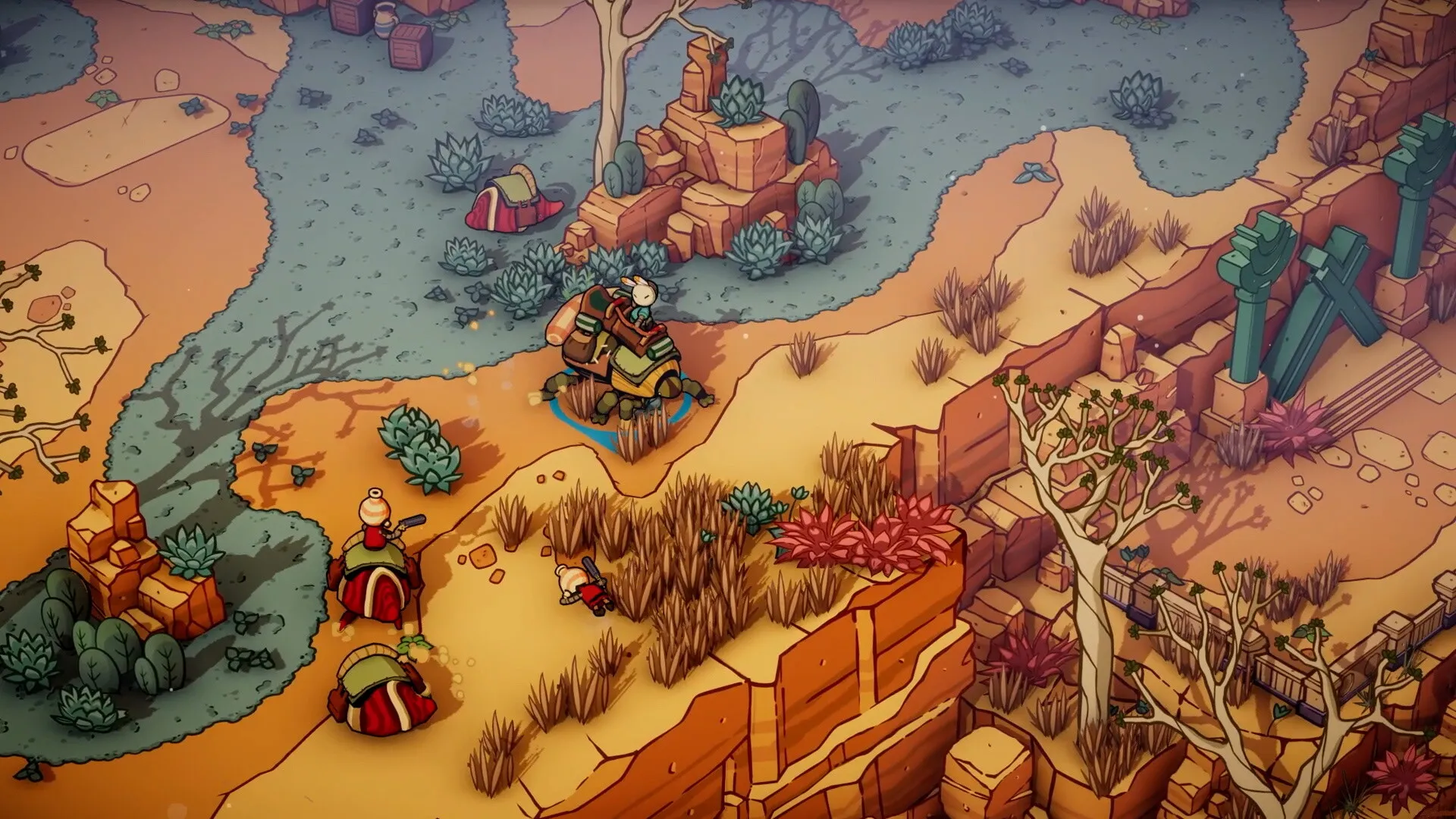
9. Procedural Design in the Wider Industry Context
DuneCrawl’s struggle reflects a broader industry trend.
Many procedurally generated games face the same issue: randomness delays repetition, but rarely eliminates it.
Lessons from Other Roguelikes
Successful long-term roguelikes often feature:
- Synergistic mechanics
- Run-altering systems
- Meta-progression that reshapes gameplay
Procedural layout is only one piece of the puzzle.
10. The Future of DuneCrawl’s Longevity
DuneCrawl now stands at a critical point.
It can either deepen its systems to support its procedural foundation or risk plateauing as a short-term experience.
What Could Strengthen Longevity
Potential improvements include:
- Dynamic enemy evolution
- Biome-specific mechanics
- Run modifiers that alter rules, not just layouts
Such changes would give randomness more meaning.
Conclusion
DuneCrawl remains a compelling survival roguelike with a strong atmosphere and a clear creative vision. Its early hours are tense, immersive, and memorable. However, as players spend more time beneath the dunes, procedural generation alone struggles to maintain engagement. When patterns emerge faster than new ideas, repetition becomes unavoidable.
This does not diminish DuneCrawl’s achievements, but it highlights a critical challenge shared by many procedurally driven games. Longevity is not just about infinite layouts—it is about evolving systems, surprising interactions, and meaningful progression. Whether DuneCrawl can rise to that challenge will determine whether it becomes a cult classic or a brief descent into the sands.
160-Character Summary
DuneCrawl faces growing debate as players question whether procedural generation delivers true long-term variety or merely delays repetition.